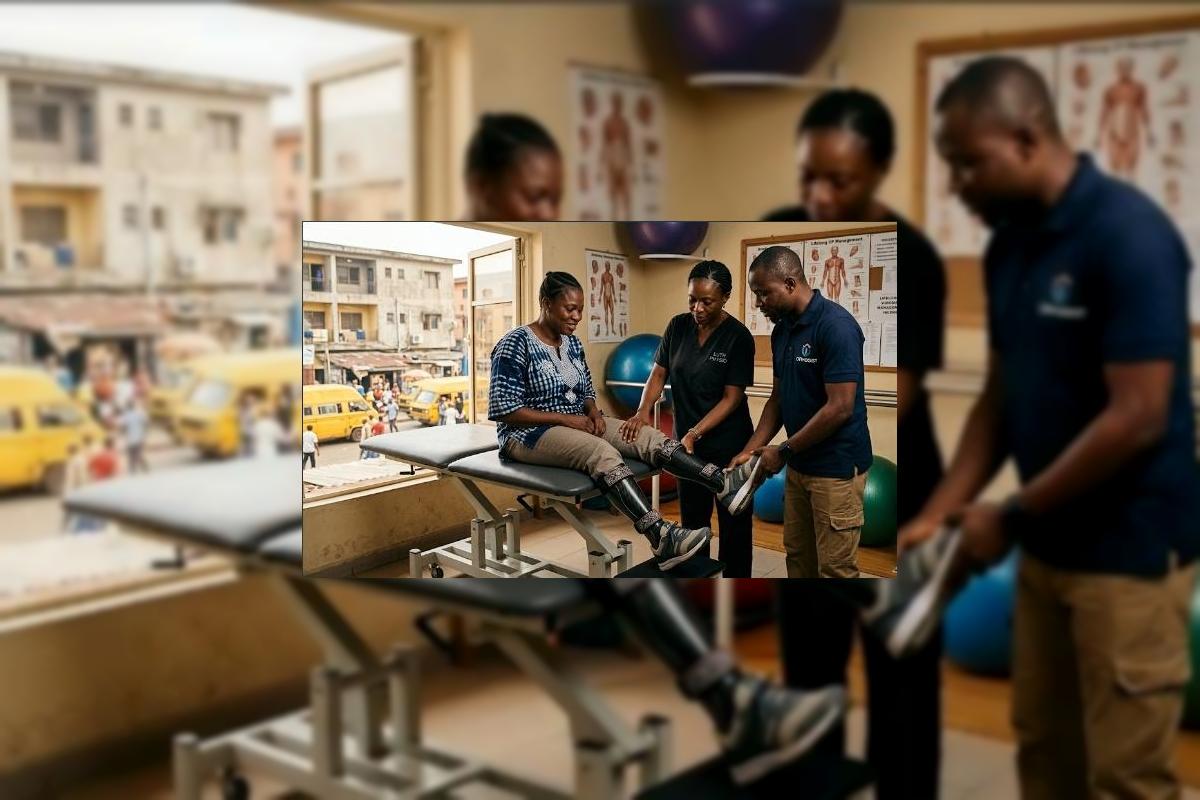

The silence surrounding adult Cerebral Palsy (CP) in Nigeria is not merely a social oversight; it is a neurological and developmental tragedy. For an individual living with a chronic neurological condition, the transition into adulthood is where the calendar becomes a formidable adversary.
"Public ignorance creates a devastating illusion that Cerebral Palsy is exclusively a childhood illness. When a child with CP grows up, societal awareness vanishes, leaving adults to battle severe secondary aging crises in isolation. True rehabilitation demands we recognize that an aging neuromuscular system requires continuous, lifelong access to physical therapy and advanced orthotic management. — Orthogist Public Awareness Desk"
In the landscape of adult neurological rehabilitation in Nigeria, we find ourselves at a critical crossroads between systemic neglect and modern neurobiology. Adults living with Cerebral Palsy are frequently hidden from public health discourse due to deep-seated misconceptions, which treat CP as a static childhood condition rather than a lifelong physical journey. Yet, as the body ages, the physiological bill for decades of abnormal muscle tone and joint compensation comes due, crashing heavily against a lack of specialized adult care. When we fail to provide continuous orthotic intervention and targeted physical therapy for adults, we sentence their musculoskeletal systems to premature, painful degeneration, stripping away their hard-earned functional independence.
The Three Barrier Cards: Why Nigeria’s Adults are Left Behind
To shift the national conversation on lifelong disability care, we must dismantle the three systemic pillars of exclusion that keep adult cerebral palsy Nigeria statistics hidden. These distinct structural challenges heavily impact long-term rehabilitation outcomes across local communities.
| Barrier | The Impact on the Adult | The Necessary Shift |
|---|---|---|
| The "Childhood-Only" Myth | Complete erasure from public health initiatives, leading to social isolation. | Evolving community narratives to acknowledge CP as a lifelong condition. |
| Vanishing Care Pathways | Adults are abruptly dropped from pediatric clinics with no adult rehab transfer. | Establishing dedicated transitional and adult neuro-rehabilitation protocols. |
| Cumulative Financial Strain | Decades of out-of-pocket costs for assistive devices exhaust family resources. | Subsidizing adult assistive technologies and physical therapy nationwide. |
"An adult managing chronic spasticity experiences a secondary musculoskeletal crisis decades ahead of their peers. The only variable is proactive management — and time is exactly what these individuals run out of when healthcare systems ignore their aging physiology."
Clinical Profile: Navigating the Secondary Aging Crisis
While the initial brain injury that causes Cerebral Palsy is non-progressive, its mechanical effects on an adult body are highly progressive. Decades of fighting chronic muscle spasticity, asymmetric weight-bearing, and joint misalignment culminate in what clinicians call a secondary aging crisis. This condition manifests as premature osteoarthritis, severe muscle fatigue, and a sharp decline in walking efficiency. Without a proactive lifelong intervention protocol, an adult who was independently mobile at age eighteen may face severe mobility limitations by age thirty-five. Utilizing custom-molded adult orthotic devices—such as specialized ground-reaction AFOs or stabilizing spinal braces—alongside targeted physical therapy preserves joint integrity and balances muscle forces before structural breakdown occurs.
What Changes Everything: The Action Strip
Continuous clinical surveillance and the prompt updating of adult physical therapy regimens yield five concrete physiological and socioeconomic outcomes. This is the structural framework required to preserve adult autonomy and protect physical health:
1 Spasticity Modification
Continuous, tailored physical therapy regulates hypertonia. Managing muscle stiffness dynamically prevents the nervous system from locking limbs into rigid, non-functional positions as the individual ages.
2 Joint Preservation
For adults with uneven gaits, specialized orthotic bracing evenly redistributes mechanical loads across the knees, hips, and lower spine, significantly delaying the onset of debilitating, degenerative arthritis.
3 Socioeconomic Independence & Workforce Retention
Maintaining the ability to walk or safely transfer independently heavily impacts an adult's livelihood. Proper rehabilitation removes barriers to employment, financial self-sufficiency, and active community participation.
4 Energy Conservation Optimization
Adults with CP expend up to three times more energy to walk than neurotypical individuals. Lightweight, modern composite orthoses optimize biomechanic efficiency, reducing chronic, exhausting muscular fatigue.
5 Secondary Complication Mitigation
Proactive musculoskeletal management shields adults from secondary conditions like chronic pain syndromes, severe postural deformities, and cardiovascular decline brought on by forced immobility.
The Biological Imperative vs. The Cultural Stagnation
True medical progress requires replacing cultural passivity with a deep clinical commitment to lifelong care. We must intentionally move away from the historical neglect that treats adult disability as an invisible issue, shifting instead toward an active model where every adult facing permanent neurological or mobility challenges is met with lifelong institutional support.
| The Outdated Approach (Passive) | The Modern Standard (Active) |
|---|---|
| Assuming rehabilitation therapies end once childhood growth terminates. | Regular clinical reassessments and biomechanical tuning throughout adulthood. |
| Ignoring structural pain; attributing degeneration simply to "growing older." | Targeted therapy and dynamic orthotic adjustments to address pain origins. |
| Isolating adults from public spaces due to lack of structural infrastructure. | De-stigmatizing adult disability while building accessible workplace policies. |
| Relying on worn-out, poorly fitting devices designed years prior. | Providing access to lightweight, state-of-the-art adult assistive devices. |
The time for passive waiting has ended. Every day an adult spends with unmanaged spasticity or an unaddressed joint misalignment is a day their body compensates in ways that lead to irreversible structural limitations. We cannot afford to abandon an entire population to the margins of public ignorance and hospital bureaucracy. Disability awareness in Nigeria must expand its scope to protect citizens at every stage of their lives. We are not just managing symptoms; we are safeguarding the foundational right of every individual to live a life of dignity, health, and uninterrupted autonomy.
A Call to Action
To the individuals and families: Advocate fiercely for continuous medical attention; aging with a disability requires specialized, proactive clinical care. To the medical community: Recognize that pediatric patients become adult patients; build the professional bridges necessary to sustain their mobility. To the policymakers: Subsidizing assistive technologies and adult rehabilitation is a vital investment that prevents institutional dependence and empowers productive citizens. Orthogist will continue to champion these critical awareness insights until every adult in Nigeria has access to the lifelong care they deserve. Functional mobility is a lifelong birthright, stretching far beyond the boundaries of childhood.
Comments (0)
No comments yet. Be the first!
Please login to leave a comment
Login to Comment