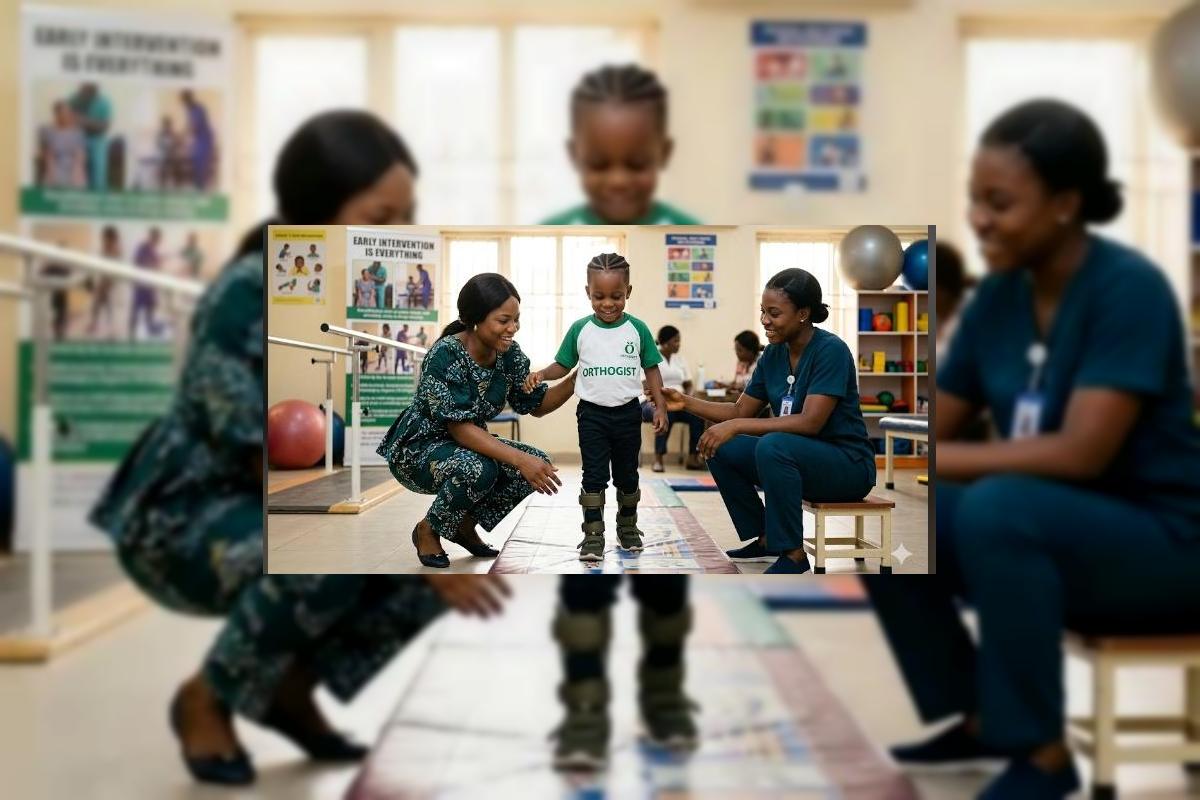

The silence surrounding pediatric Cerebral Palsy (CP) and early developmental delays in Nigeria is not merely a social oversight; it is a neurological and developmental tragedy. For an infant born with a mobility risk, the calendar is the most formidable adversary.
"Public ignorance remains a massive barrier to early rehabilitation. When a child fails to reach developmental milestones on time, society frequently labels it a spiritual issue rather than a clinical emergency. True intervention demands that we look past cultural myths and recognize that a child’s ability to stand, walk, and participate independently relies directly on timely clinical evaluation and early access to orthotic devices. — Orthogist Public Awareness Desk"
In the landscape of pediatric physical therapy in Nigeria, we find ourselves at a crossroads between ancient stigmas and modern neurobiology. Children with developmental delays are frequently hidden away due to public misconceptions, which often interpret the early signs of pediatric Cerebral Palsy through the lens of retribution rather than pathophysiology. Yet, while communities delay seeking medical advice, the window for critical neuroplastic adaptation slams shut. Early clinical screening is not a luxury; it is a structural mandate. When we fail to recognize indicators and provide orthotic devices and physical therapy before a child’s first steps, we deny their brain the opportunity to map balance, symmetry, and gait naturally.
The Three Barrier Cards: Why Nigeria’s Children are Left Behind
To shift the national conversation on disability care, we must dismantle the three systemic pillars of exclusion that keep cerebral palsy Nigeria statistics hidden. These distinct structural challenges heavily impact the success of early childhood intervention across local healthcare systems.
| Barrier | The Impact on the Child | The Necessary Shift |
|---|---|---|
| Public Ignorance | Misinterpreting clinical symptoms as spiritual issues, leading to isolation. | Evolving community narratives from 'spiritual curse' to 'clinical reality.' |
| Delayed Referrals | Missing the peak window of neuroplasticity while seeking alternative paths. | Mandatory developmental screening at all neonatal immunization clinics. |
| Systemic Hospital Gaps | Lack of affordable pediatric equipment and specialized local centers. | Subsidized pediatric rehabilitation services in all six geopolitical zones. |
"An infant evaluated before their first birthday integrates corrective therapeutic patterns into their developing motor cortex far more naturally than an older child. The only variable is time — and time is exactly what families run out of when awareness is lacking."
Clinical Profile: Identifying the Subtle Signs Early
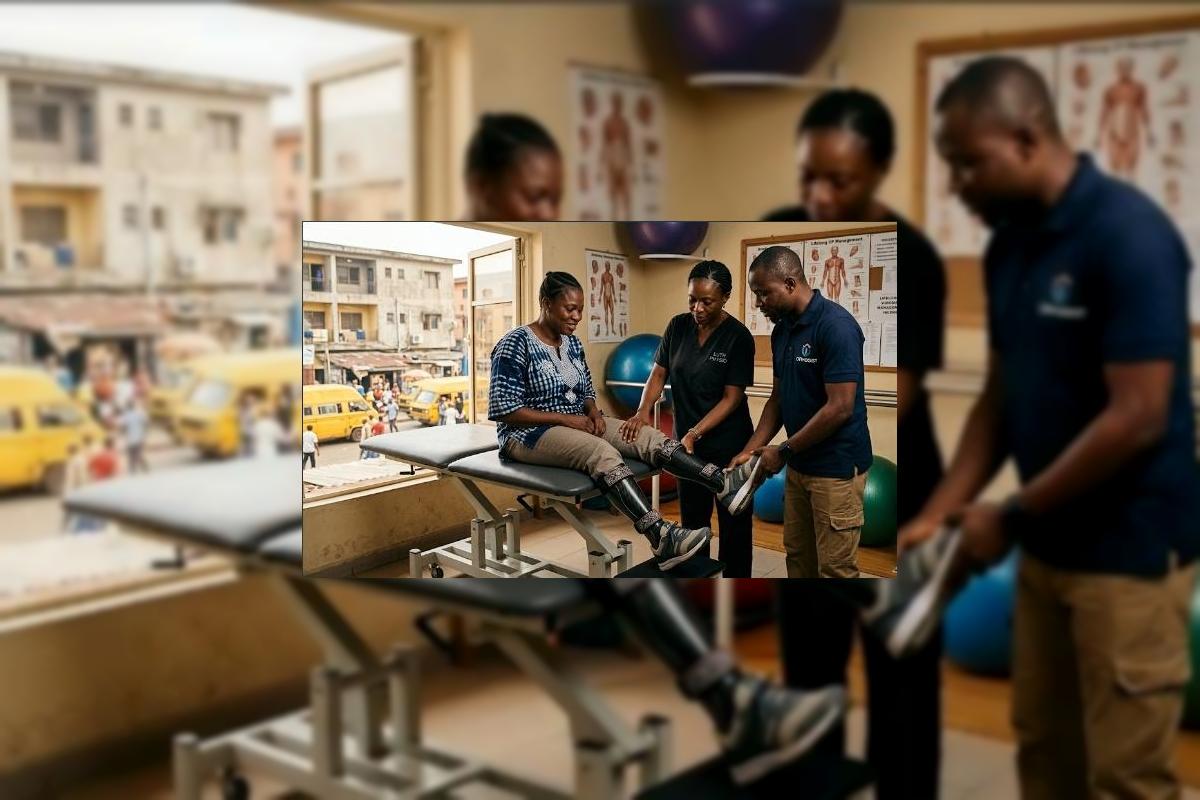
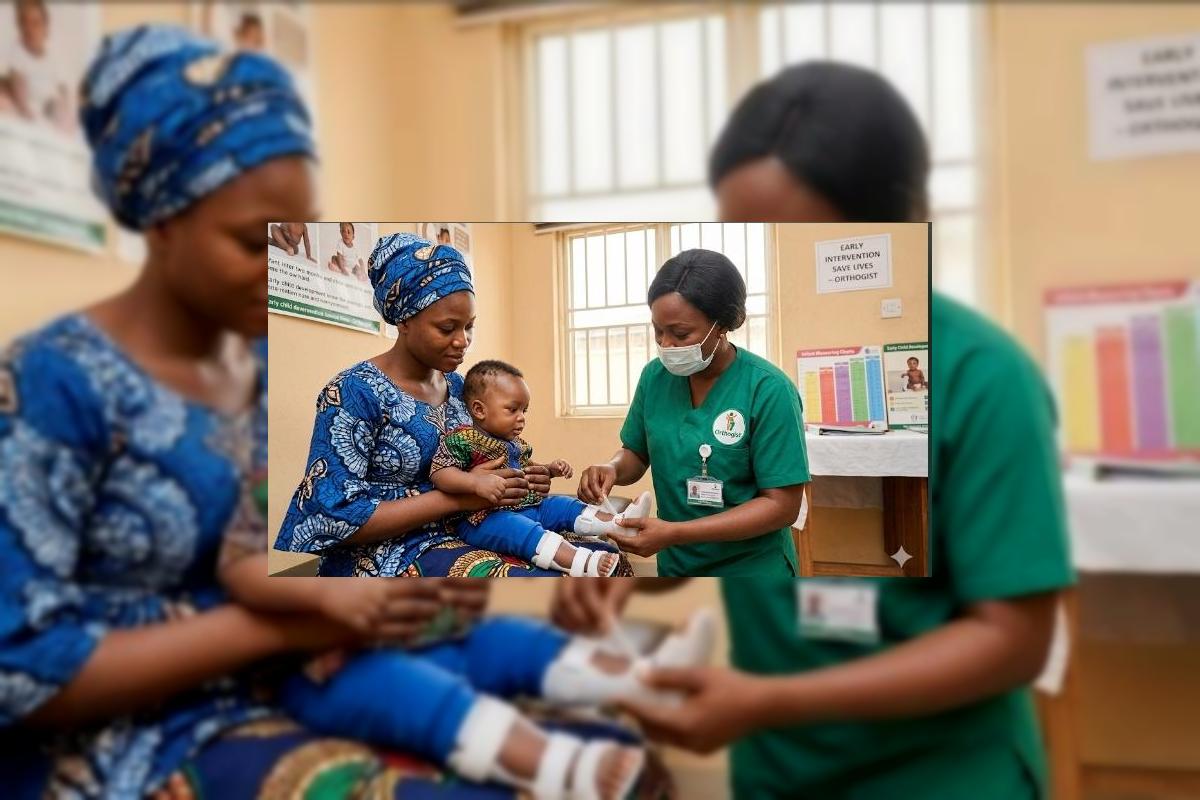
When dealing with spastic or athetoid Cerebral Palsy, waiting for a child to completely miss a major milestone like walking can lead to irreversible musculoskeletal strain. By the time an undiagnosed child reaches early childhood, severe joint tightness and compensatory spinal alignment issues may already be underway. This underscores the critical need for early identification. When early structural warning signs—such as persistent fisted hands, asymmetrical limb usage, or physical rigidity—are met with an aggressive, pro-active early intervention protocol, the developmental trajectory completely changes. Utilizing custom-molded Ankle-Foot Orthoses (AFOs) alongside targeted stretching ensures the growing skeleton is stabilized and aligned before permanent muscle contractures take hold.
What Changes Everything: The Action Strip
Early referral pathways and prompt utilization of pediatric physical therapy yield five concrete physiological and social outcomes. This is the structural framework required to turn developmental vulnerability into independent mobility:
1 Cortex Integration
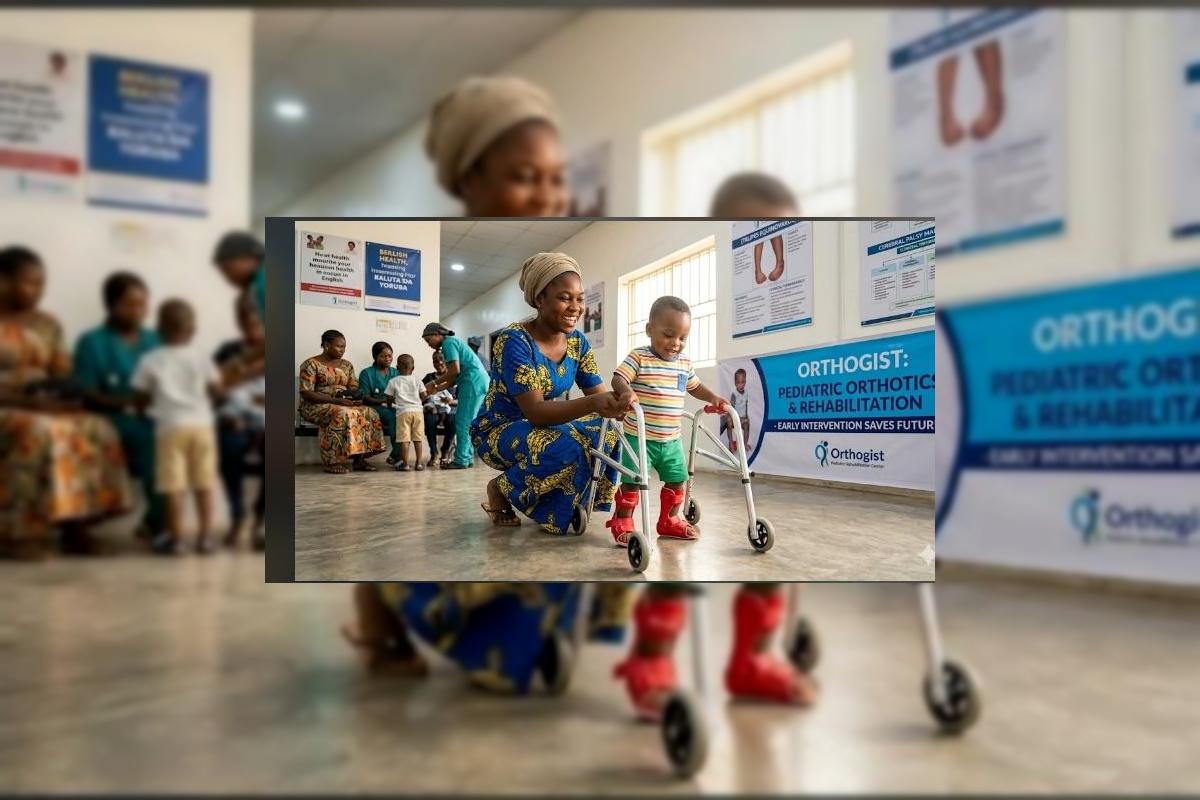
The brain’s internal map for balance and locomotion is finalized early. Introducing targeted therapy and corrective devices during the infant "cruising" stage ensures the central nervous system registers the movement pattern as natural.
2 Skeletal Alignment
For children with abnormal muscle tone, early orthotic bracing prevents permanent pelvic tilt, hip subluxation, and secondary scoliosis caused by unilateral body compensation.
3 School Inclusion & Socio-Emotional Health
Achieving independent sitting balance or supported standing heavily impacts a child's educational access. Proper rehabilitation removes physical barriers to classroom inclusion and social peer play.
4 Contracture Prevention
Continuous spasticity shortens muscle fibers over time. Early stretching and custom positioning splints preserve joint range of motion, reducing the future necessity for highly invasive orthopedic surgeries.
5 Economic Future
Investing in early intervention for musculoskeletal disorders significantly reduces long-term healthcare dependencies. Proactive care transforms future resource management and empowers individual autonomy.
The Biological Imperative vs. The Cultural Stagnation
True medical progress requires replacing cultural passivity with a deep clinical commitment to growth. We must intentionally move away from the historical neglect caused by stigma toward an active model where every child facing a mobility or neurological challenge is met with immediate, structured institutional support.
| The Outdated Approach (Passive) | The Modern Standard (Active) |
|---|---|
| "Wait and see if the child eventually grows out of it." | Clinical assessment and baseline therapy under 12 months. |
| Keeping the child immobile; rapid muscle atrophy. | Active positioning, cruising, and supported weight-bearing. |
| Isolating the child due to societal shame or misconceptions. | De-stigmatizing disability through public health education. |
| Relying on generic, unmodified adult strategies later in life. | Lightweight, adjustable, custom-built pediatric orthotics. |
The time for passive waiting has ended. Every day an infant spends with unmanaged spasticity or an unaddressed developmental delay is a day their body compensates in ways that lead to permanent structural limitations. We cannot afford to lose potential to the waiting rooms of public ignorance and hospital bureaucracy. Disability awareness in Nigeria must move from the fringes of charity to the very center of national health policy. We are not just correcting gait patterns; we are building the foundation upon which a healthier, more inclusive society stands.
A Call to Action
To caregivers: Pay close attention to early motor signs; do not let societal misconceptions delay your child's clinical journey. To clinicians: Early identification is the gold standard; prioritize immediate referrals the moment a developmental milestone lags. To policymakers: Subsidizing assistive technologies and pediatric rehabilitation is an essential economic safeguard against lifelong dependency. Orthogist will continue to champion these critical awareness insights until every child has access to the timely care they deserve. Functional mobility is a fundamental right, especially for our youngest citizens.
Comments (0)
No comments yet. Be the first!
Please login to leave a comment
Login to Comment