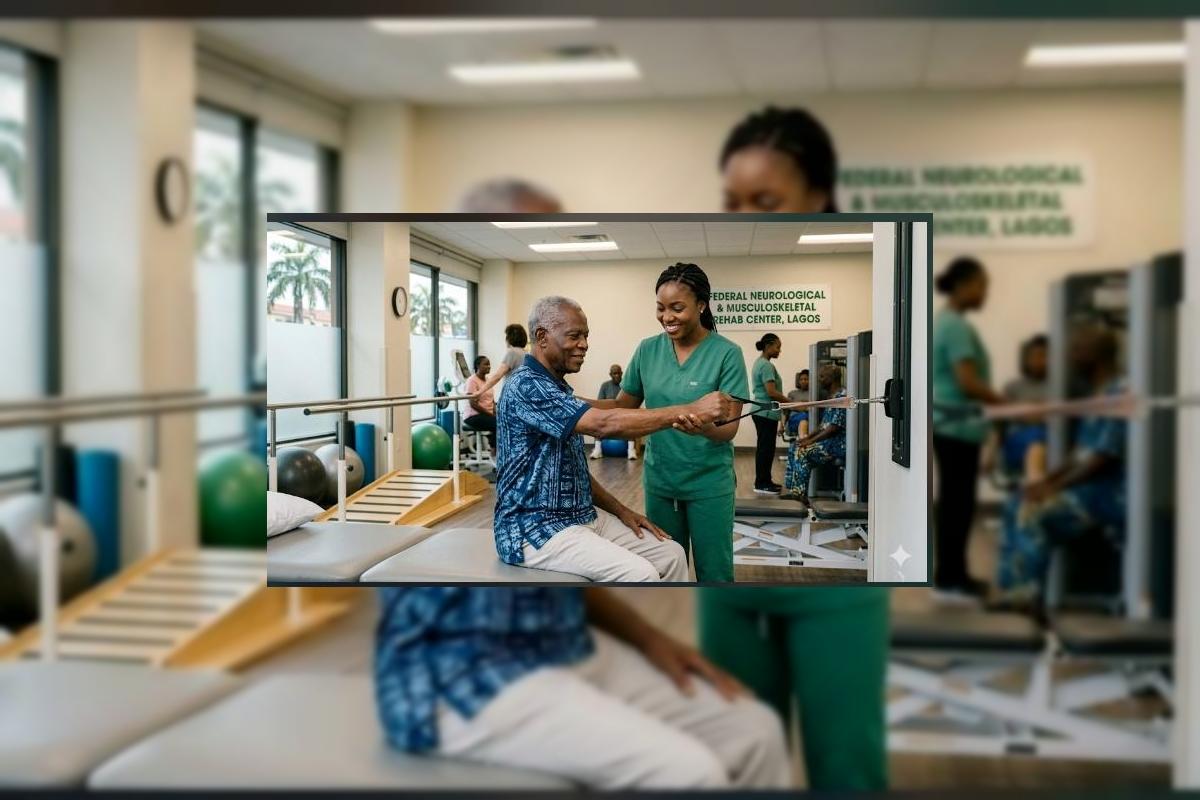

The silence surrounding post-stroke spasticity and upper limb contractures in Nigeria is not merely a social oversight; it is a neurological and developmental tragedy. For a survivor watching their arm permanently tighten into an unusable knot, a neglected limb is a daily sentence to structural isolation.
"Allowing hypertonic muscles to permanently deform a survivor's hand out of administrative neglect or cultural resignation is a severe clinical failure. True advocacy demands that we aggressively counter stroke-induced spasticity through the immediate deployment of neurological physical therapy and custom-fabricated upper limb orthoses, refusing to let an unmanaged brain injury freeze a human hand.
In the landscape of adult neuro-rehabilitation in Nigeria, we find ourselves at a critical crossroads between deep systemic neglect and modern neurobiology. Adults living with upper limb spasticity following a stroke or traumatic brain injury are routinely abandoned to an under-resourced healthcare system that treats a tightly clenched fist as an unfortunate, inevitable baseline. Yet, while communities advise passive waiting or rely on unscientific local massages, the critical physiological window to prevent fixed muscle shortening slams shut. Neuro-orthotic intervention is not a secondary, elective luxury; it is a biological mandate. When we fail to implement resting hand splints and functional upper limb orthoses alongside aggressive motor-relearning therapy, we permit hyperactive neural signals to permanently warp healthy skeletal structures and destroy a person's basic functional independence.
The Three Barrier Cards: Why Nigeria’s Stroke Survivors Upper Limbs are Left Frozen
To revolutionize stroke care across the country, we must dismantle the three systemic pillars of exclusion that keep upper limb rehabilitation Nigeria data buried. These structural, clinical, and financial challenges dictate whether a survivor regains self-care capabilities or drops into lifelong, total dependency.
| Barrier | The Impact on the Adult | The Necessary Shift |
|---|---|---|
| The "Lower Limb Bias" | Hospitals focus exclusively on walking, leaving the patient's dominant hand to clench into an irreversible contracture. | Establishing standard protocols that mandate simultaneous upper and lower limb neuro-orthotic tracking. |
| Folklore Oil Massages | Aggressive, forceful stretching by untrained operators triggers severe muscle tear, worsening spasticity. | Educating communities to replace painful manual force with continuous, low-load orthotic positioning. |
| Material Scarcity Gaps | Public wards lack specialized low-temperature thermoplastics, leaving therapists without custom splinting options. | Creating central, government-subsidized supply chains for modern clinical modeling materials. |
"An upper limb damaged by spasticity cannot wait for administrative convenience. If the hyperactive wrist is not mechanically opposed by a custom-molded orthosis, the muscle fibers structurally adapt within weeks, locking the hand into a permanent fist of dependency."
Clinical Profile: The Biomechanical Tug-of-War in Spasticity
Following an upper motor neuron lesion, such as a stroke, the brain loses its ability to send inhibitory signals to local spinal reflexes. This neurological breakdown leaves the powerful flexor muscles of the upper limb—specifically the biceps, wrist flexors, and finger flexors—in a state of continuous, involuntary contraction. Without the brain's regulatory control, these muscles pull the wrist into a sharp downward bend and force the fingers into a tightly clenched fist against the palm. If left unmanaged, this persistent mechanical tension triggers structural changes in the muscle tissue: elastic fibers are replaced by rigid collagen, culminating in a fixed joint contracture. Once a contracture hardens, the skin within the palm breaks down due to trapped moisture, creating a high risk of deep tissue infections and severe pain. A custom-fabricated Resting Hand Orthosis (WHO) changes this destructive dynamic. By applying a gentle, constant counter-force, the brace keeps the wrist and fingers extended, maintaining tissue length and opening a biological pathway for neuroplastic recovery.
What Changes Everything: The Action Strip
Integrating custom-molded positioning orthoses with targeted **neurological physical therapy** delivers five decisive biological and developmental milestones. This is the structural framework required to rescue upper limb utility and promote long-term autonomy:
1 Suppression of Hyperactive Reflexes
Applying continuous, low-load mechanical stretch via a custom splint sends inhibitory signals back to the spinal cord, directly lowering muscle tone and calming involuntary spasms.
2 Prevention of Irreversible Tissue Shortening
Holding the wrist and fingers in an anatomically neutral position preserves muscle length and tendon flexibility, preventing the soft tissues from freezing into a permanent structural deformity.
3 Preservation of Palmar Skin Integrity
Keeping the fingers extended allows adequate airflow across the palm, eliminating skin maceration, foul odors, and severe fungal or bacterial infections caused by tightly clenched nails.
4 Facilitation of Functional Motor Re-Learning
Stabilizing the wrist in a functional position gives the patient a mechanical platform to practice voluntary gripping and releasing tasks, mapping healthy movement pathways back into the brain.
5 Restoration of Basic Personal Dignity
Regaining control over a compromised arm allows survivors to feed, dress, and wash themselves independently, lifting the crushing psychological weight of total domestic dependency.
The Biological Imperative vs. The Cultural Stagnation
True medical transformation requires replacing clinical passivity with a fierce commitment to complete physical restoration. We must intentionally abandon outdated rehabilitation models that sacrifice the upper limb to focus solely on walking, transitioning instead into a highly proactive standard where upper extremity orthotics are deployed as an indispensable, immediate asset in stroke management.
| The Outdated Approach (Passive) | The Modern Standard (Active) |
|---|---|
| Allowing the stroke-affected hand to curl tightly, assuming it is a minor issue. | Deploying a custom-molded resting splint early to maintain perfect joint extension. |
| Subjecting a hypertonic arm to painful, aggressive manual pulling and hot oils. | Utilizing scientific, static-progressive orthoses to safely lengthen muscle tissue. |
| Leaving the palm to sweat and ulcerate inside a permanently closed fist. | Ensuring hygienic skin protection and joint mobility through orthotic alignment. |
| Accepting a completely non-functional arm as an unchangeable consequence of aging. | Pursuing intensive, neuro-orthotic motor training to reclaim manual dexterity. |
The time for clinical hesitation has ended. Every day a stroke survivor spends with an unmanaged, tightly flexed arm is a day their biological tissues remodel into permanent structural limitations. We can no longer tolerate losing our citizens' personal autonomy to the margins of public ignorance and delayed medical referrals. Disability awareness in Nigeria must evolve to view upper limb rehabilitation as a vital, high-priority clinical need. We are not just splinting a hand; we are unlocking a human being’s capability to touch, hold, work, and interact with their world with unyielding dignity.
A Call to Action
To stroke survivors and caregivers: Reject the belief that a clenched hand cannot be helped; seek an early orthotic assessment before your joints tighten permanently. To our medical teams: Track upper extremity reflexes as meticulously as cardiovascular metrics; refer to an orthotist at the first sign of elevated muscle tone. To our health authorities: Subsidizing lightweight, low-temperature thermoplastic raw materials across our public hospitals is a cost-effective strategy that prevents severe adult dependency nationwide. Orthogist will continue to broadcast these vital clinical realities until modern neuro-orthotic upper limb care is standard in every community. Complete physical autonomy is a lifetime birthright, and your hands must be preserved.
Comments (0)
No comments yet. Be the first!
Please login to leave a comment
Login to Comment