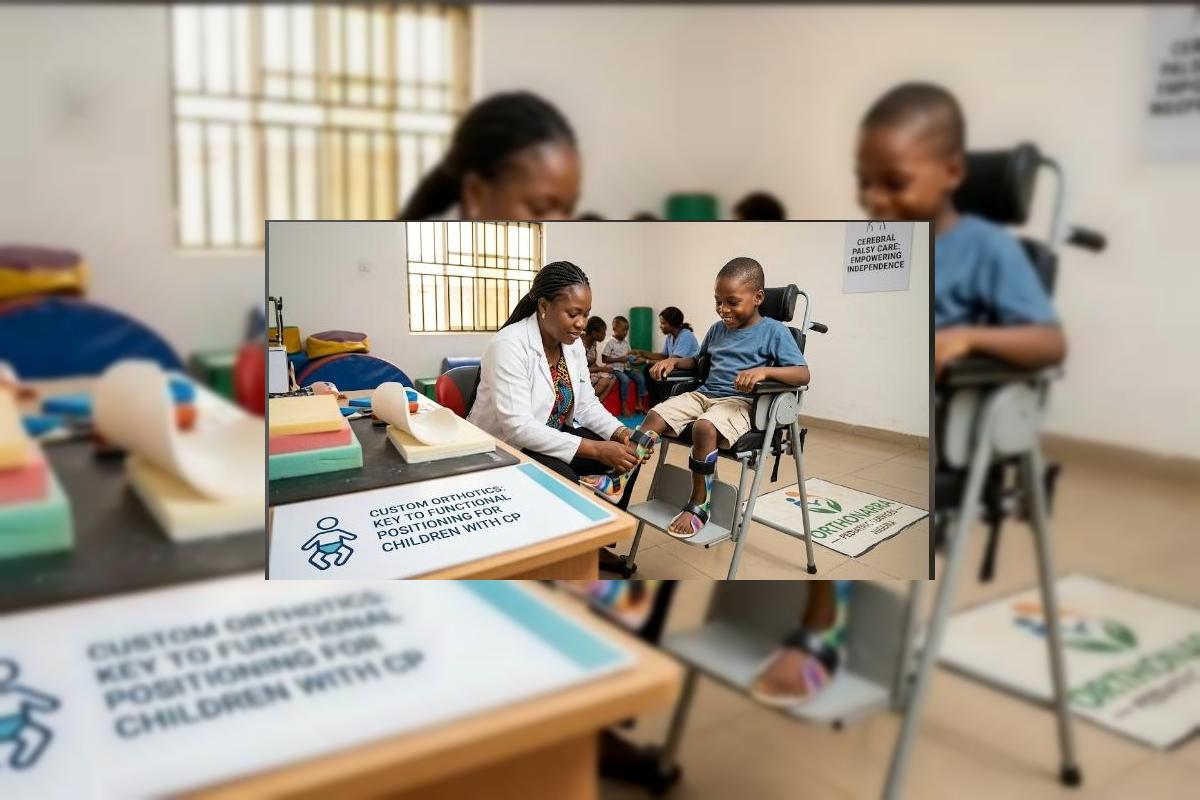

The silence surrounding the mechanical management of Cerebral Palsy (CP) in Nigeria is not merely a social oversight; it is a profound orthopedic and developmental tragedy. For a child navigating the world with spasticity, relying on isolated physical therapy without mechanical structural support is a direct path to fixed joint deformities and permanent loss of mobility.
"Treating a child with Cerebral Palsy through exercise alone while ignoring the structural need for orthotic alignment is a severe clinical failure. True advocacy demands that we integrate precision-fabricated pediatric orthotics into the very first stage of rehabilitation, refusing to let hyperactive muscle patterns pull growing bones into permanent, painful rigidity.
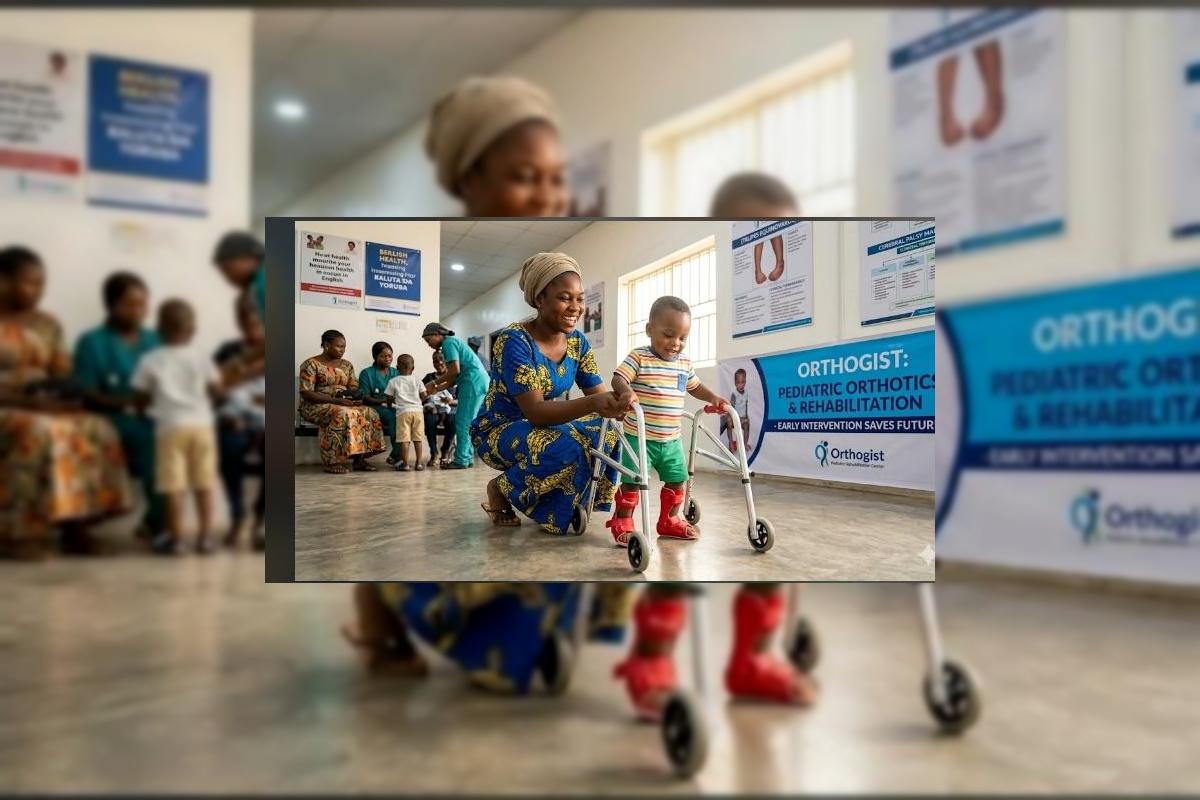
In the landscape of pediatric rehabilitation in Nigeria, we find ourselves at a critical crossroads between professional isolation and modern, biomechanical team-based care. Children living with Cerebral Palsy—which often manifests as spastic diplegia or hemiplegia—frequently face a future defined by contractures, where muscles remain in a state of constant, exhausting contraction. While physical therapy is a vital component of treatment, it is insufficient if the child’s joints are not held in a functional, neutral position during the hours they are not in the gym. Custom-fabricated pediatric orthotics, such as Ankle-Foot Orthoses (AFOs) and specialized seating supports, act as a constant, gentle engineer for the body. When we fail to prioritize these devices alongside therapy, we permit spasticity to dictate the child’s skeletal development, ultimately leading to permanent deformities that could have been managed through consistent, early orthotic positioning.
The Three Barrier Cards: Why Nigerian Children with CP Face Preventable Deformities
To revolutionize pediatric care for CP across the country, we must dismantle the three structural pillars of exclusion that keep pediatric orthotics Nigeria data hidden. These systemic and knowledge-based gaps dictate whether a child learns to stand and walk or settles into a life of physical limitation.
| Barrier | The Impact on the Child | The Necessary Shift |
|---|---|---|
| The Passive Therapy Myth | Families assume exercise alone will 'loosen' tight muscles, ignoring the need for external, physical stabilization. | Educating parents that orthotics provide the 'scaffolding' required for muscles to learn functional patterns. |
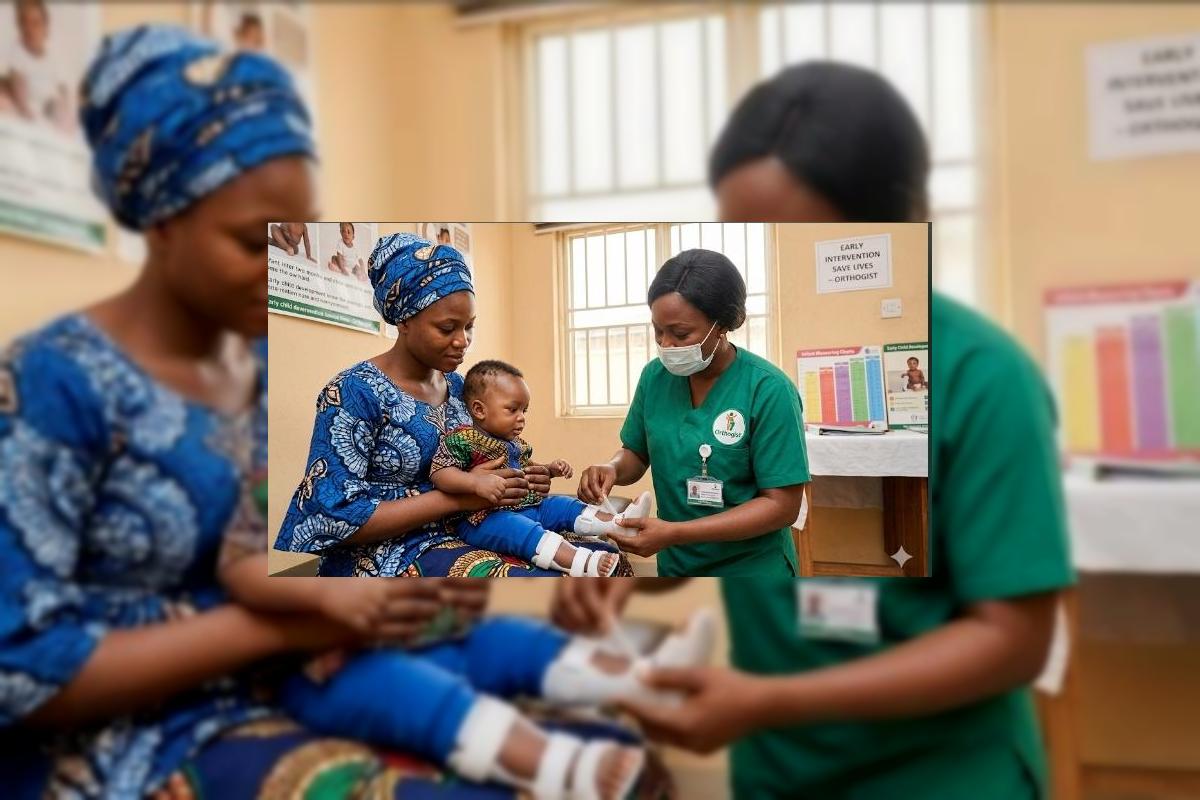
| Late Orthotic Referral | Orthotic support is often requested only after permanent contractures have already formed in the ankles or knees. | Mandating early orthopedic screening for CP children to identify the need for braces during the growth phase. |
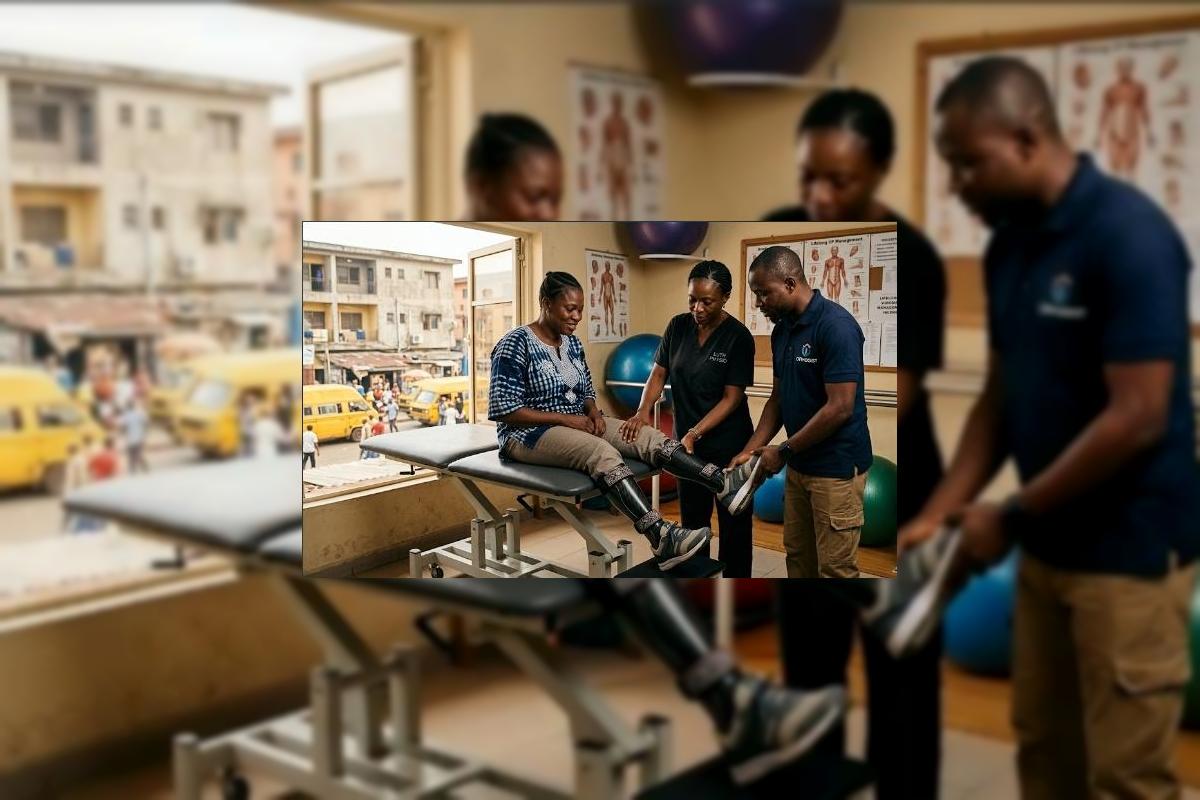
| Lack of Multi-Disciplinary Hubs | Therapists and orthotists work in silos, preventing the device from being fine-tuned to the child's changing gait goals. | Creating integrated clinical centers where therapy and orthotic fabrication occur in one synchronized environment. |
"A child’s skeleton grows at a rate that cannot wait for muscle tone to normalize. If we do not support the body with custom orthotics during these formative years, the bone will grow in the direction of the muscle’s pull, not the direction of the child’s potential."
Clinical Profile: The Biomechanics of Pediatric Orthotic Positioning
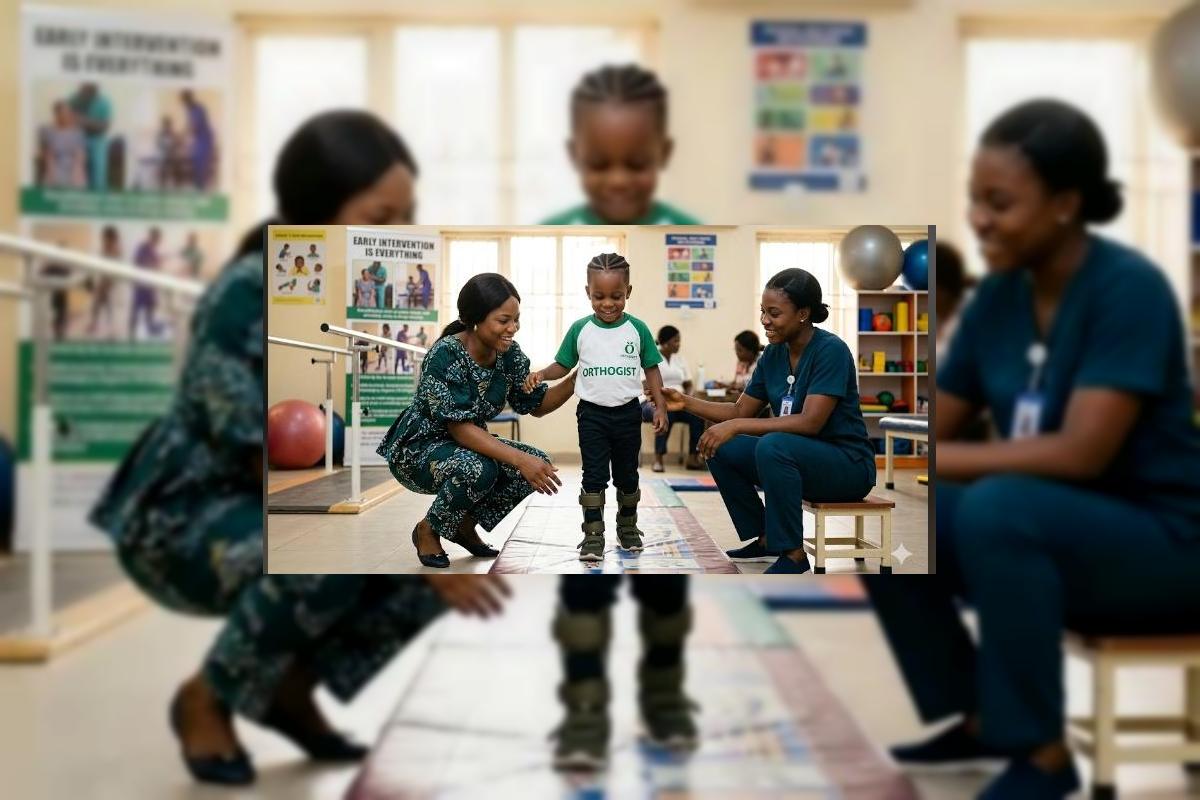
In Cerebral Palsy, the brain’s message to the muscles is often one of continuous, high-intensity activation. This spasticity means that the ankles often stay pointed downward (equinus) and the knees remain flexed, leading to a "crouch gait" that is incredibly energy-intensive. A certified pediatric orthotist uses custom-molded Ankle-Foot Orthoses (AFOs) to apply a counter-force to these tight muscles. By holding the ankle at a 90-degree angle, the AFO prevents the calf muscle from shortening permanently and provides a stable base of support. This mechanical stability allows the child to focus on balance and coordination rather than simply trying to keep their heels on the ground. For children with more complex needs, custom-molded seating systems provide the trunk stability necessary to allow the child to use their hands and communicate effectively—unlocking functional potential through structural support.
What Changes Everything: The Action Strip
Integrating early, custom orthotic positioning with targeted therapy delivers five decisive biological and societal breakthroughs. This is the structural framework required to rescue a child’s independence:
1 Prevention of Permanent Joint Contractures
Consistent, night-time or daytime bracing keeps muscles at a healthy resting length, preventing the permanent tightening that often requires major surgery later in life.
2 Improved Energy Efficiency in Movement
By normalizing alignment, braces significantly reduce the physical effort required to walk, allowing children to participate in play and education for longer periods without exhaustion.
3 Optimization of Physical Therapy Results
When an orthosis stabilizes the lower limbs, the child can focus their energy on building the core strength and balance required for higher-level mobility.
4 Increased Social and Educational Participation
Structural support facilitates the ability to sit comfortably in a classroom, hold a pen, or interact with peers, opening doors to integration and independence.
5 Lifting the Burden of Lifetime Caregiving
Maximizing a child’s functional independence reduces the level of constant physical assistance required from caregivers, improving the quality of life for the entire family unit.
The Biological Imperative vs. The Cultural Stagnation
True medical transformation requires replacing the passive approach to CP with a fierce commitment to active, mechanical positioning. We must intentionally abandon the outdated, limited therapy models that ignore orthotics, transitioning instead into a regulated environment where advanced pediatric bracing is a standard, life-saving right for every child.
| The Outdated Approach (Passive Exercise Only) | The Modern Standard (Integrated Orthotics) |
|---|---|
| Relying only on sporadic exercises that fail to correct the constant, spastic muscle pull. | Using daytime and night-time bracing to hold joints in functional alignment consistently. |
| Accepting that a child will inevitably develop fixed deformities due to their condition. | Applying orthotics early to prevent deformities from ever gaining a foothold. |
| Focusing only on muscles while neglecting the skeletal alignment of the bones. | Balancing muscle therapy with structural orthotic support to protect long-term bone growth. |
| Assuming an active, independent life is impossible due to CP-related mobility challenges. | Engineering a path to functional mobility and community participation through structured support. |
The time for clinical compromise has ended. Every day a child with Cerebral Palsy spends without proper orthotic support is a day their body absorbs the consequences of unmanaged spasticity. We can no longer tolerate losing our children's functional potential to the margins of isolated, incomplete rehabilitation. **Disability awareness in Nigeria** must evolve to view accredited pediatric orthotic care as a basic, high-priority human right. We are not just building braces; we are actively constructing the framework for a child's future—securing their ability to sit, stand, learn, and grow through life with unyielding dignity.
A Call to Action
To parents and caregivers: Never accept the idea that 'nothing can be done' about tight muscles; consult an accredited orthotist early to discuss how custom bracing can protect your child's movement. To our medical and therapy teams: Always incorporate mechanical orthotic assessment into your rehabilitation plans; your child's muscles need the stable support that only a brace can provide. To our policymakers: Prioritize funding for affordable, locally produced, high-quality pediatric orthotics to stop avoidable childhood disability. Orthonarra will continue to champion these vital clinical realities until modern, integrated CP care is available in every community. Complete independent mobility is a lifetime birthright, and your child's growth must be supported.
Comments (0)
No comments yet. Be the first!
Please login to leave a comment
Login to Comment