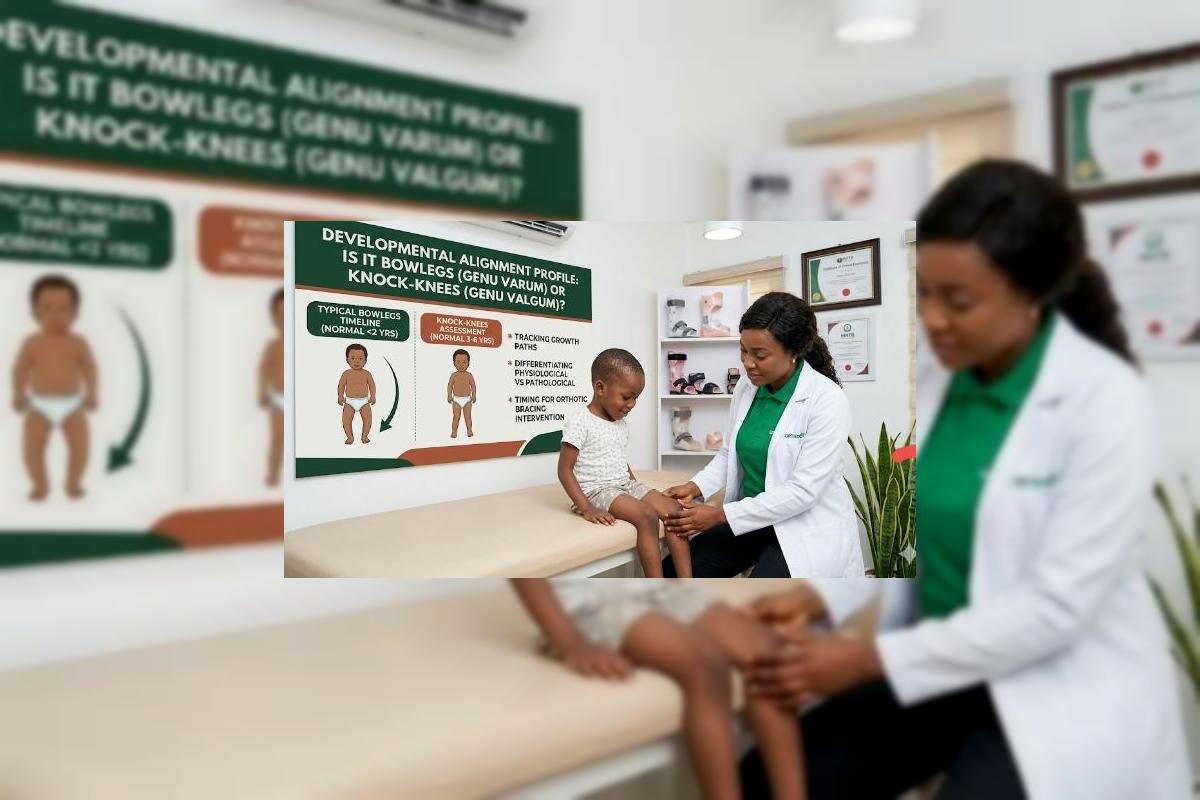

The silence surrounding pediatric lower limb misalignments in Nigeria is not merely a social oversight; it is a neurological and developmental tragedy. For a child navigating crucial growth milestones, a mismanaged structural deformity is a progressive barrier to lifelong mobility.
"Dismissing structural bowlegs or knock-knees as mere childhood phases that a child will 'grow out of'—without objective clinical tracking—is a destructive medical gamble. True advocacy demands that we equip families with clinical truth, knowing exactly when alignment is an indicator of natural physiological development and when it represents an urgent condition requiring orthotic bracing.
In the landscape of pediatric orthopedics in Nigeria, we find ourselves at a critical crossroads between deep-seated cultural myths and modern biomechanics. Children with noticeable bowlegs or knock-knees are frequently subjected to two dangerous extremes: either they are ignored entirely out of systemic passivity, or they are exposed to aggressive, painful traditional massage methods that cause severe tissue damage. Yet, while communities engage in folklore debates, the peak physiological windows for non-surgical skeletal correction slam shut. Early diagnostic awareness is not an optional luxury; it is a structural mandate. When we fail to implement corrective orthotic bracing and clinical monitoring during a child's highly pliable early growth stages, we permit structural anomalies to permanently distort their skeletal foundation.
The Three Barrier Cards: Why Nigeria’s Children are Left Misaligned
To reform pediatric care, we must dismantle the three structural pillars of exclusion that keep pediatric physical rehabilitation Nigeria data hidden. These systemic and educational barriers heavily impact a family's ability to access timely, evidence-based orthopedic interventions.
| Barrier | The Impact on the Child | The Necessary Shift |
|---|---|---|
| Passive "Wait and See" Advice | Pathological conditions like Blount's disease progress unchecked, leading to severe joint wear. | Mandating standardized objective measurements at every pediatric immunization visit. |
| Traditional Bone-Setting Force | Aggressive, uncalibrated manual pulling damages growth plates, causing permanent deformities. | Redirecting community trust away from folklore manipulation to certified orthotic labs. |
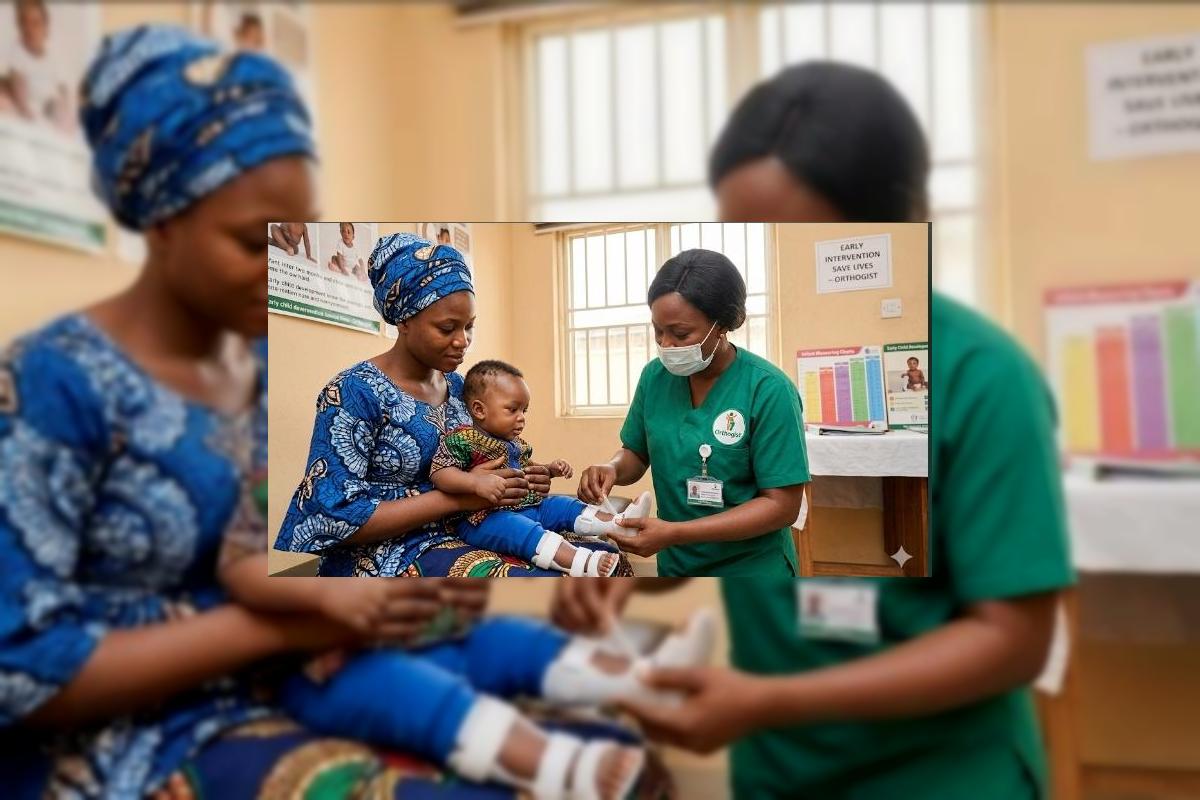
| Late Medical Referrals | Children arrive at specialized rehabilitation centers only after the bone structures have fully hardened. | Establishing early referral tracks between local birth attendants and certified orthotists. |
"A child's growing skeleton operates on a strict biological timeline. Failing to distinguish between a natural growth curve and a pathological structural defect forces a child into an adult life of chronic pain and avoidable limitations."
Clinical Profile: Mapping Normal Evolution vs. Pathological Variation
During early childhood, a child's legs naturally undergo a series of predictable alignment changes. Most infants are born with physiological bowlegs (Genu Varum) due to intrauterine positioning, a state that typically straightens out by the age of two. Between the ages of three and five, the alignment naturally shifts toward a knock-knee posture (Genu Valgum) before gradually settling into a straight, adult-like position by age seven. However, when these angles present as highly asymmetrical, worsen over time, or exceed standard inter-condylar and inter-malleolar distance limits, the condition shifts from a normal phase to a pathological concern. Underlying metabolic conditions like nutritional rickets, or structural disorders such as Blount’s disease, permanently disrupt normal bone growth. Certified clinicians use precise tools to track these deviations, intervening with custom-fabricated pediatric orthotic braces when the skeleton requires active mechanical force to steer bone growth back along a healthy path.
What Changes Everything: The Action Strip
Dismantling historical myths and implementing targeted, evidence-based early intervention for musculoskeletal disorders delivers five concrete biological and societal breakthroughs. This is the baseline framework required to replace community worry with functional mobility:
1 Precision Bone Growth Redirection
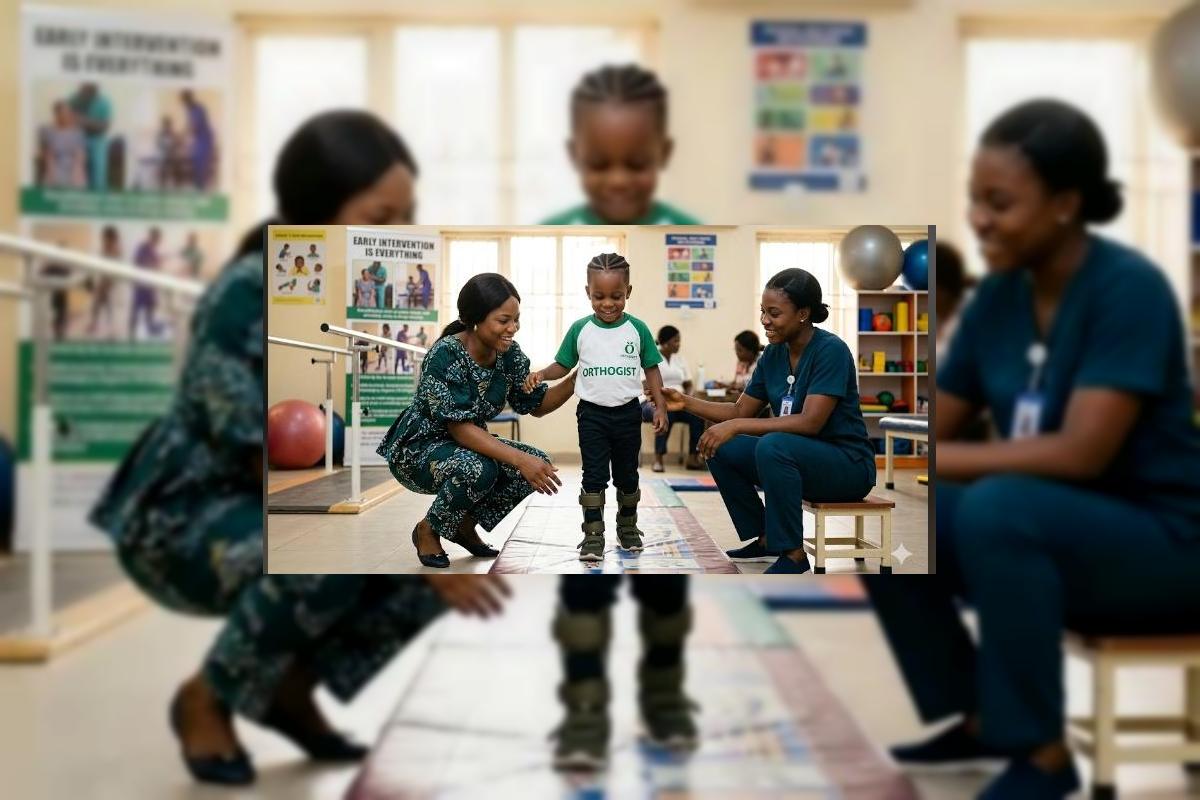
Deploying lightweight pediatric braces applies gentle, continuous counter-forces that guide growing bones into alignment, correcting pathological angles safely before the growth plates close.
2 Complete Protection of Joint Surfaces
Correcting leg alignment ensures body weight is distributed evenly across the knees and ankles, protecting young cartilage from early wear and preventing premature adult arthritis.
3 Eradication of Damaging Home Interventions
Providing clear public health education stops families from resorting to dangerous, unverified physical manipulation techniques, saving children from severe soft-tissue injuries.
4 Uninhibited Activity and Social Confidence
Restoring structural alignment optimizes a child's walking and running efficiency, letting them play naturally alongside their peers and erasing the emotional shame of physical exclusion.
5 Prevention of Complex Future Orthopedic Surgeries
Correcting structural alignment during early childhood eliminates the future need for highly invasive, expensive surgical bone operations and lengthy hospitalizations later in life.
The Biological Imperative vs. The Cultural Stagnation
True medical transformation requires replacing cultural passivity with an unyielding commitment to objective scientific evidence. We must intentionally move away from outdated models of neglect and folklore, transitioning into a modern paradigm where every child's physical development is actively tracked against international standards to safeguard their right to independent movement.
| The Outdated Approach (Superstition) | The Modern Standard (Clinical Reality) |
|---|---|
| Attributing severe bone curvature to early walking attempts or spiritual signs. | Tracking alignment deviations objectively through standard pediatric metrics. |
| Applying aggressive traditional massage, hot water binds, or heavy weights. | Utilizing lightweight, custom-molded orthopedic braces to align bone growth. |
| Waiting indefinitely for a severe, progressive deformity to resolve on its own. | Intervening early during peak biological windows to achieve full structural correction. |
| Accepting a lifelong walking impairment as an unchangeable family fate. | Deploying adjustable custom orthotics to unlock full functional independence. |
The time for cultural hesitation has ended. Every day a family spends relying on unscientific advice while a child's progressive deformity worsens is a day that child's skeletal tissue solidifies into permanent, irreversible limitations. We can no longer tolerate losing the potential of our youth to public ignorance and delayed medical evaluations. Disability awareness in Nigeria must expand past basic outreach and anchor itself firmly in early clinical education. We are not just straightening limbs; we are de-stigmatizing human development and building a solid, inclusive foundation upon which our nation’s children can stand proud.
A Call to Action
To parents and caregivers: Do not let folklore dictate your child's physical development; seek an objective biomechanical assessment if your child's leg alignment seems asymmetric or worsens over time. To our community and primary health workers: Monitor growth milestones closely, ensuring every child with a visible alignment concern is promptly referred to an orthopedic specialist. To health authorities: Integrate mandatory musculoskeletal screening protocols into national primary health and immunization programs to intercept development issues early. Orthogist will continue to share these vital clinical realities until modern health literacy guides every community. Independent mobility is a birthright, and our children's paths must be made straight.
Comments (0)
No comments yet. Be the first!
Please login to leave a comment
Login to Comment