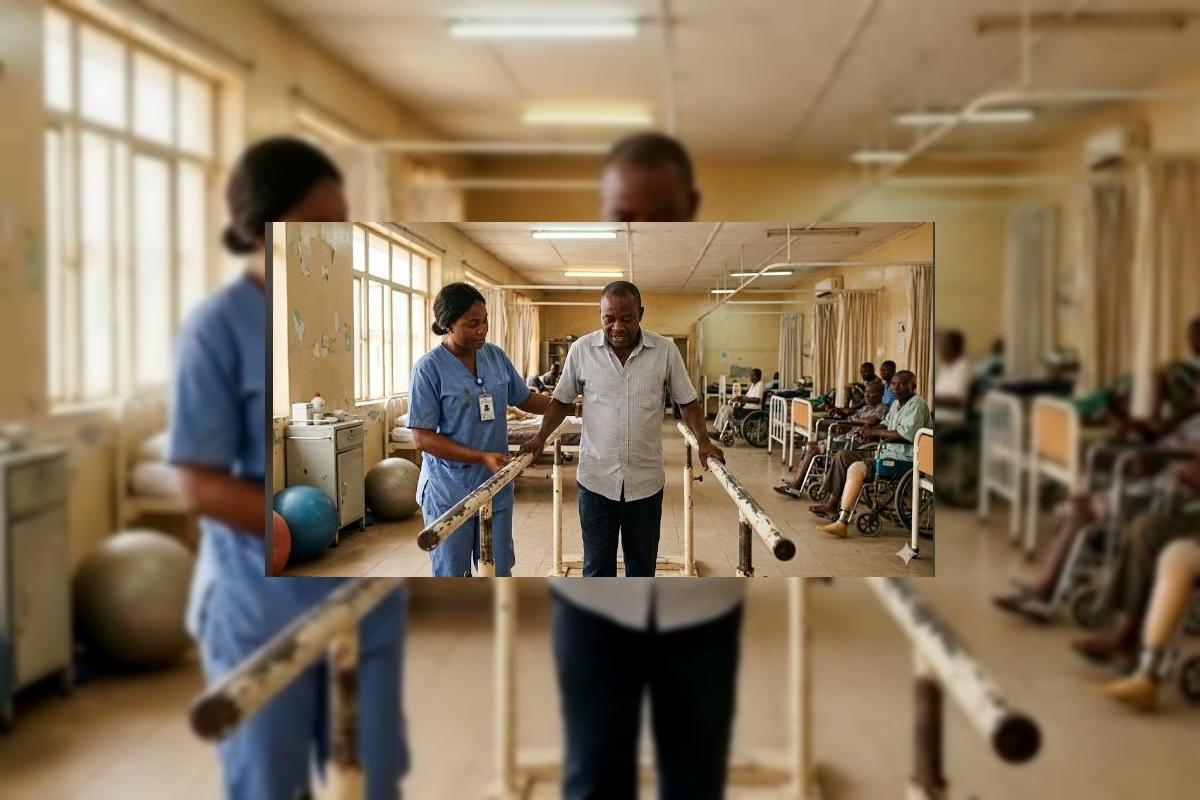

The silence surrounding institutional rehabilitation gaps in Nigeria is not merely a social oversight; it is a neurological and developmental tragedy. For a family navigating a complex physical disability, the structural deficiencies within our healthcare centers are far more devastating than the medical conditions themselves.
"Expecting clinical excellence while leaving rehabilitation departments underfunded, understaffed, and technologically decades behind is a severe institutional failure. True advocacy demands that we shine an aggressive light on the harsh realities within our hospital wards, moving past bureaucratic complacency to build a system where quality mobility care is not a luxury restricted to the wealthy. — Orthogist Public Awareness Desk"
In the landscape of medical rehabilitation in Nigeria, we find ourselves at a critical crossroads between systemic infrastructure failure and modern neurobiology. Patients requiring physical therapy and assistive devices are frequently left stranded by a broken public health framework, becoming victims of an under-resourced ecosystem where specialized clinical equipment is scarce and financial barriers are absolute. Yet, while administrative systems delay necessary updates and budgets stall, the vital physiological windows for child development and adult stroke recovery slam shut. Institutional awareness is not a passive complaint; it is a structural mandate. When we fail to equip our rehabilitation centers with modern orthotic technologies and trained specialists, we let systemic hospital limitations actively dictate a human being’s lifelong level of dependency.
The Three Barrier Cards: Why Nigeria’s Hospitals are Left Behind
To reform our nation's healthcare delivery, we must dismantle the three institutional pillars of exclusion that keep rehabilitation centers Nigeria statistics in the dark. These harsh financial and systemic realities heavily restrict access to vital physical and orthotic care across our public hospitals.
| Barrier | The Impact on the Patient | The Necessary Shift |
|---|---|---|
| Out-of-Pocket Payment Systems | Families exhaust their entire savings on clinical fees, abruptly abandoning therapy midway. | Evolving national insurance structures to provide full coverage for assistive tech. |
| The Brain Drain Crisis | Severe shortages of certified prosthetists, orthotists, and physical therapists in public wards. | Implementing competitive government incentives to retain local rehabilitation talent. |
| Technological Obsolescence | Patients receive heavy, outdated, or poorly modified devices that cause secondary pain. | Direct state investment in modern central fabrication laboratories across all zones. |
"A brilliant clinician cannot deliver optimal results using broken parallel bars, missing assessment tools, and a lack of modern materials. The only variable that unlocks true rehabilitation is institutional support — which is precisely what vanishes when policy mirrors neglect."
Clinical Profile: The Hidden Toll of Secondary Postponement
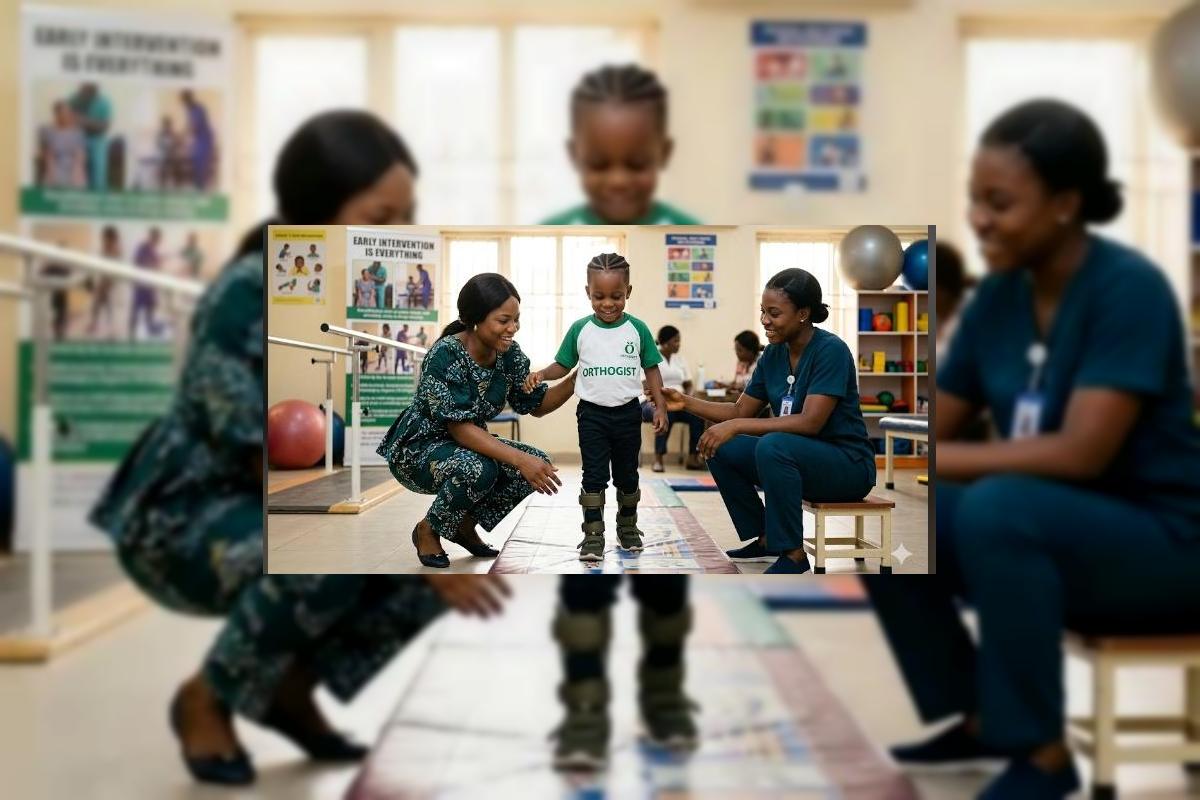
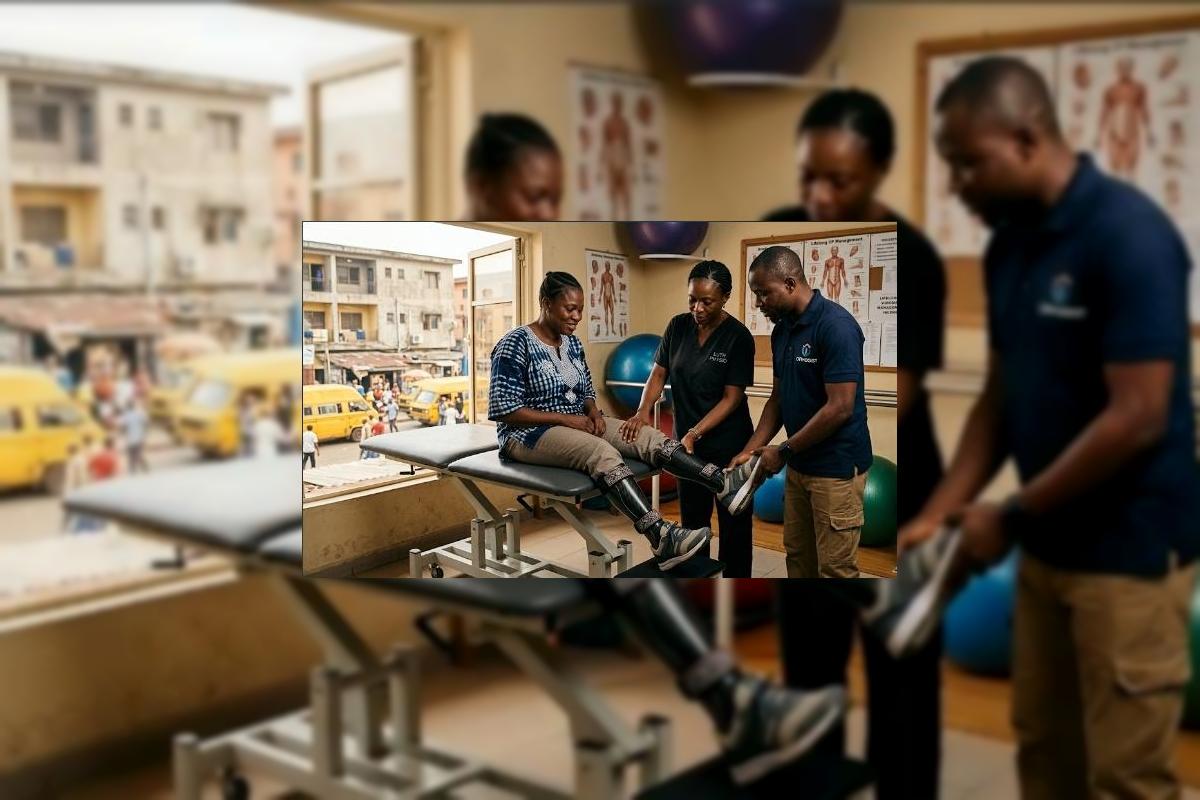
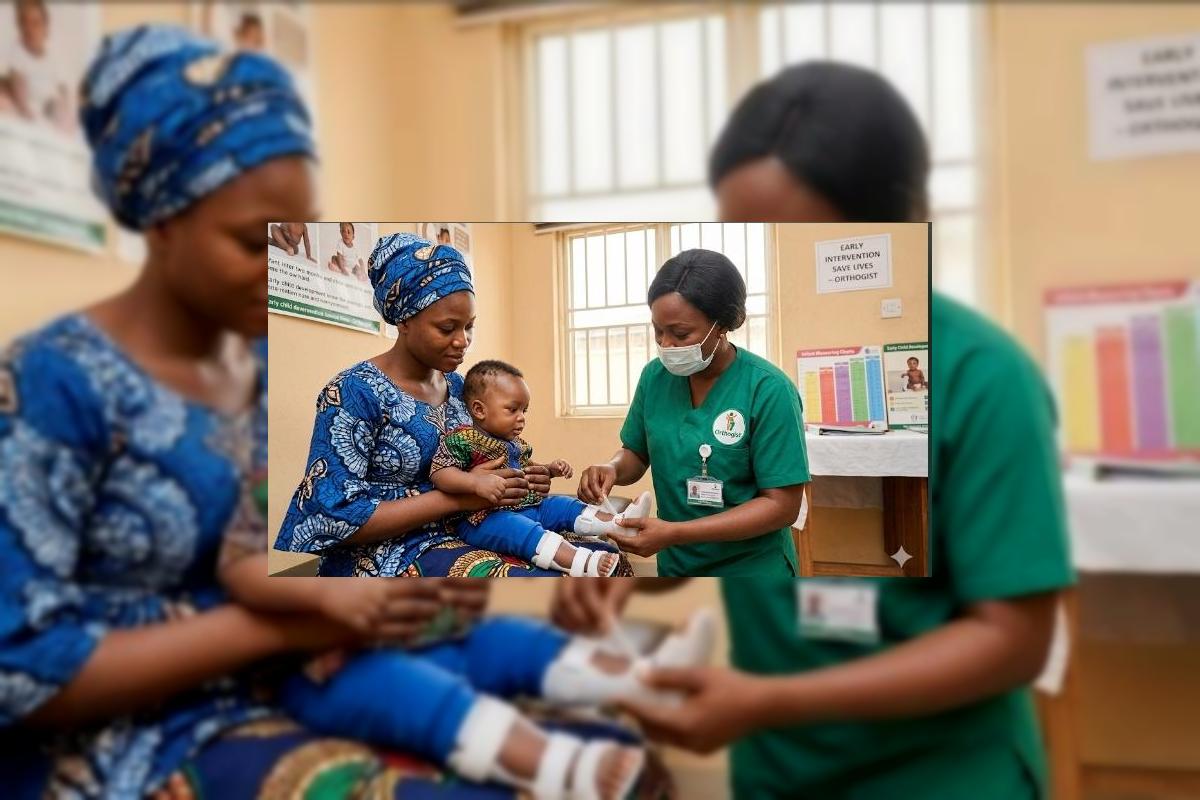
When specialized care is delayed due to broken hospital logistics or a patient's inability to pay the immediate out-of-pocket costs, the biological consequences are unforgiving. In pediatric cases, a lack of consistent pediatric orthotic devices allows hypertonic muscles to win the mechanical tug-of-war against the skeleton, freezing soft joints into fixed, agonizing contractures. For adults recovering from spinal cord injuries or stroke, long waiting lists for basic parallel bars and gait training lead to rapid muscle atrophy, circulatory decline, and a complete loss of motor memory. Continuous, institutional-grade care is the only path that preserves tissue health. Ensuring our local clinics have the raw materials—such as low-temperature thermoplastics and specialized structural resins—allows orthotists to build precision devices that keep joints aligned and functional.
What Changes Everything: The Action Strip
Upgrading our national infrastructure and securing consistent public pediatric rehabilitation funds yields five concrete physiological and societal breakthroughs. This is the structural framework required to turn struggling clinical departments into centers of physical restoration:
1 Uninterrupted Treatment Continuity
Eliminating abrupt financial checkpoints ensures patients complete their full physical therapy cycles, allowing neural pathways and muscle lengths to adapt without regression.
2 Precision Biomechanical Outcome Tracking
Equipping local centers with modern gait analysis software allows rehabilitation teams to measure joint angles and balance forces accurately, leading to highly effective device modifications.
3 Decentralization of Advanced Mobility Services
Building fully operational clinics outside of major city hubs stops the exhausting, expensive travel burdens placed on rural families, ensuring equal access to care across the country.
4 Retention of Specialized Clinical Expertise
Providing therapists and orthotists with functional, modern working environments curbs the severe brain drain, preserving vital clinical wisdom inside our national health system.
5 Elimination of Long-Term Dependent Demographics
Investing public resources into early intervention for musculoskeletal disorders today empty tomorrow's adult dependent wards, directly boosting the broader socioeconomic health of the nation.
The Biological Imperative vs. The Cultural Stagnation
True medical transformation requires replacing institutional passivity with an aggressive, well-funded commitment to human mobility. We must intentionally move away from outdated models that treat rehabilitation as an afterthought of acute medicine, transitioning into a modern paradigm where the restoration of functional independence is prioritized as a core indicator of national health progress.
| The Outdated Approach (Neglect) | The Modern Standard (Investment) |
|---|---|
| Treating rehabilitation space as an optional, underfunded storage basement. | Designing modern, spacious, fully accessible therapeutic departments. |
| Forcing patients to source rare orthotic raw materials independently in the open market. | Maintaining fully stocked institutional inventory lines for immediate custom builds. |
| Accepting high patient-to-clinician ratios due to mass professional emigration. | Creating fully subsidized local educational pipelines for upcoming P&O talent. |
| Relying on donated, broken, or heavily outdated machinery from foreign charities. | Procuring state-of-the-art, digital manufacturing tools for native device production. |
The time for systemic hesitation has ended. Every day a hospital ward spends without functional therapeutic tools or adequate staffing is a day our citizens' physical potentials waste away inside the walls of structural neglect. We can no longer tolerate sacrificing the mobility of our workforce to the administrative inefficiencies of national health planning. Disability awareness in Nigeria must transcend basic community education and force a complete structural overhaul of our public hospital budgets. We are not just building better clinical rooms; we are actively constructing the healthcare pillars that guarantee every citizen the right to move, work, and thrive with dignity.
A Call to Action
To hospital administrators: Prioritize physical rehabilitation budgets alongside emergency medicine; mobility is vital to complete clinical recovery. To our local clinicians: Document and report resource shortages meticulously, establishing clear, data-driven demands for institutional change. To public health policymakers: Integrate full prosthetic and orthotic subsidies into national insurance frameworks to eliminate catastrophic out-of-pocket barriers immediately. Orthogist will continue to expose these systemic challenges until our healthcare infrastructure matches the resilience of our people. Functional mobility is a basic human right that requires a solid, well-equipped foundation.
Comments (0)
No comments yet. Be the first!
Please login to leave a comment
Login to Comment