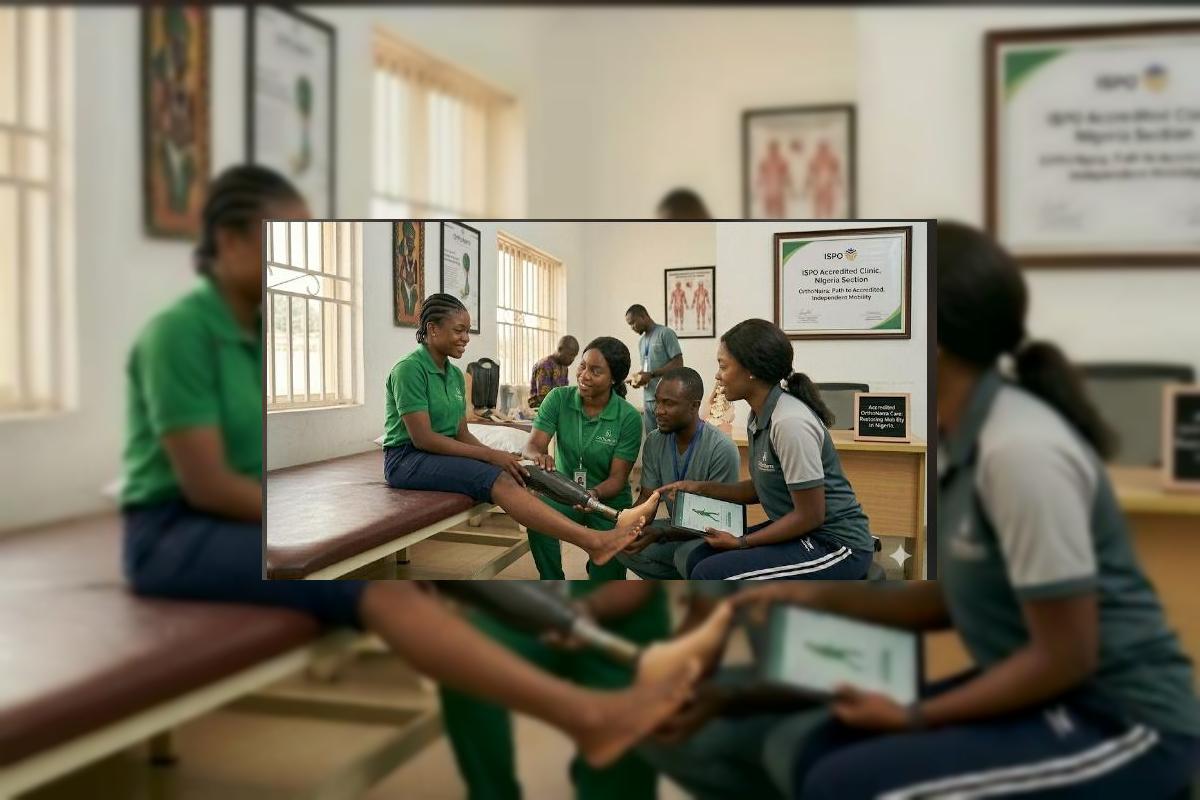

The silence surrounding limb loss and subpar prosthetic care in Nigeria is not merely a social oversight; it is a profound biomechanical and developmental tragedy. For an amputee navigating a world built for the able-bodied, a poorly fitted prosthesis is a daily sentence to structural pain and isolation.
"Condemning an amputee to a poorly aligned, unaccredited limb out of administrative neglect or financial shortcuts is a severe clinical failure. True advocacy demands that we champion internationally accredited prosthetic standards and advanced component technologies, refusing to let financial barriers freeze a human being's right to walk.
In the landscape of prosthetic rehabilitation in Nigeria, we find ourselves at a critical crossroads between systemic quality-control issues and modern biomedical engineering. Amputees living with lower or upper limb loss are routinely abandoned to an unregulated market where untrained technicians fashion heavy, unaligned, and dangerous limbs out of wood, leather, or uncalibrated plastics. Yet, while communities celebrate these rudimentary devices as "cheap fixes," the continuous abnormal forces destroy surviving joints, cause severe residual limb ulcerations, and permanently distort the user's gait. Prosthetic care is not a basic carpentry project; it is a precise clinical science. When we fail to prioritize Medical Rehabilitation Therapists Board (MRTB) accredited clinics and modern components like dynamic feet and polycentric knees, we permit structural mismatches to turn a tool of freedom into a source of chronic, lifelong injury.
The Three Barrier Cards: Why Nigeria’s Amputees Face a Cycle of Dependency
To revolutionize prosthetic care across the country, we must dismantle the three structural pillars of exclusion that keep amputee rehabilitation Nigeria data hidden. These technical, regulatory, and financial hurdles dictate whether an individual returns to an active lifestyle or drops into permanent dependency.
| Barrier | The Impact on the Individual | The Necessary Shift |
|---|---|---|
| The Quackery Epidemic | Unlicensed workshops build unaligned prostheses that cause severe skin breakdown, bone pain, and falls. | Strictly enforcing MRTB accreditation guidelines to shut down illegal, substandard fabricators. |
| Outdated Technology | Clinics rely on heavy, rigid, non-functional designs that require immense physical effort just to swing the leg forward. | Importing and localizing lightweight carbon fiber, energy-storing feet, and hydraulic knee systems. |
| Out-of-Pocket Crisis | The total lack of health insurance coverage forces families to settle for cheap, dangerous, unscientific devices. | Establishing public-private partnerships and state-subsidized funds dedicated to prosthetic care. |
"A prosthesis is an intimate extension of the human skeletal system. If the socket fit is poor or the alignment is off by even a few millimeters, the device ceases to be an aid and becomes a destructive weight on the human body."
Clinical Profile: The Biomechanics of Advanced Prosthetic Alignment
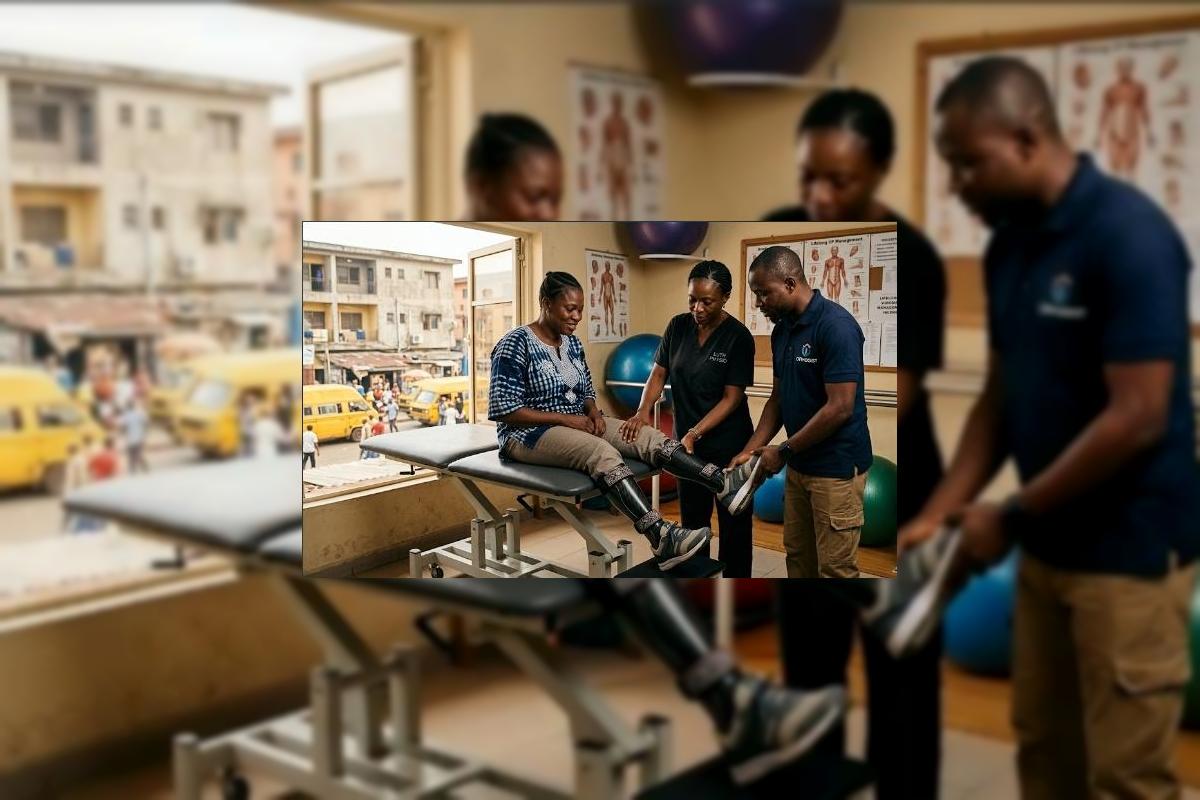
Following an amputation—whether due to trauma, vascular disease, or diabetes—the residual limb must bear weight in ways nature never intended. In a standard transtibial (below-knee) or transfemoral (above-knee) amputation, transferring forces safely depends entirely on the design of the **prosthetic socket. Modern, accredited clinics use precise digital scanning or plaster molding to create total-surface weight-bearing sockets. These custom shapes distribute pressure evenly, avoiding highly sensitive bony areas. Above the socket, the alignment of the prosthetic components must perfectly replicate the patient's natural center of gravity. Introducing energy-storing carbon fiber feet allows the limb to absorb shock at heel-strike and release that energy at toe-off, mimicking the natural calf muscles. For above-knee amputees, polycentric or hydraulic knee systems provide mechanical stability during the stance phase while allowing a fluid, natural swing. Without this precise engineering, walking becomes an exhausting chore that strains the lower back and sound joints.
What Changes Everything: The Action Strip
Combining certified clinical expertise with modern prosthetic components delivers five decisive biological and developmental milestones. This is the structural framework required to rescue personal mobility and promote long-term autonomy:
1 Restoration of a Natural, Energy-Efficient Gait
Using lightweight materials and dynamic, energy-returning feet minimizes the physical effort required to walk, allowing amputees to travel long distances without premature exhaustion.
2 Eradication of Residual Limb Skin Breakdown
Anatomically precise, custom-molded sockets lined with modern silicone gels eliminate friction and sweat accumulation, protecting delicate skin from painful blisters and deep tissue infections.
3 Long-Term Protection of the Sound Limb
Perfect alignment balances body weight evenly between both sides, shielding the uninjured leg, hips, and lower spine from severe, premature osteoarthritis caused by an uneven limp.
4 Rapid Economic and Workforce Re-Integration
Providing functional, reliable prostheses enables individuals to return to their occupations, run businesses, and live independently, moving from forced financial dependency to active economic contribution.
5 Complete Psychosocial Healing and Empowerment
Regaining the ability to stand tall and walk confidently erases the social stigma surrounding limb loss, restoring a sense of personal dignity and allowing full participation in community life.
The Biological Imperative vs. The Cultural Stagnation
True medical transformation requires replacing clinical compromise with a fierce commitment to strict international standards. We must intentionally abandon unregulated, unscientific workshops that treat prosthetic building as a simple craft, transitioning instead into a regulated environment where advanced technology and formal accreditation safeguard the physical future of every amputee.
| The Outdated Approach (Unregulated) | The Modern Standard (Accredited) |
|---|---|
| Buying cheap, unaligned, generic limbs from unlicensed, local roadside workshops. | Receiving custom-aligned devices from MRTB-accredited clinics and certified professionals. |
| Using heavy, rigid wooden or metal limbs that exhaust the user and cause open skin wounds. | Utilizing ultra-lightweight carbon fiber, hydraulic joints, and silicone socket liners. |
| Ignoring posture and gait deviations, assuming an uncomfortable, painful limp is normal. | Undergoing continuous biomechanical assessment to fine-tune alignment and gait symmetry. |
| Accepting a sedentary, dependent life on crutches or a wheelchair as an unchangeable reality. | Reclaiming full, unassisted daily mobility and actively returning to the workforce. |
The time for compromise has ended. Every day an amputee spends using an unscientific, poorly aligned prosthesis is a day their body absorbs micro-traumas that lead to permanent joint degeneration. We can no longer tolerate losing our citizens' personal autonomy to the margins of unregulated quackery and delayed clinical intervention. Disability awareness in Nigeria must evolve to view accredited prosthetic care as a basic, high-priority human right. We are not just building a mechanical leg; we are unlocking a human being's potential to stand, walk, work, and move through life with unyielding dignity.
A Call to Action
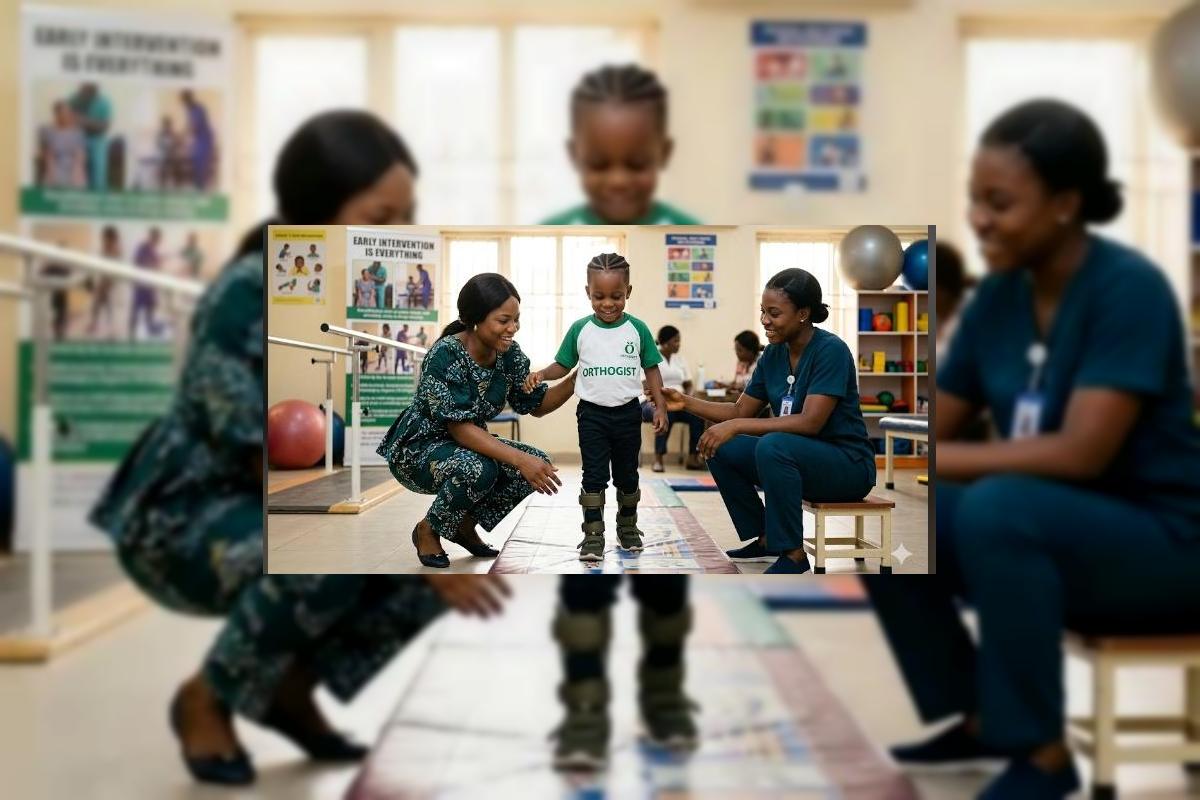
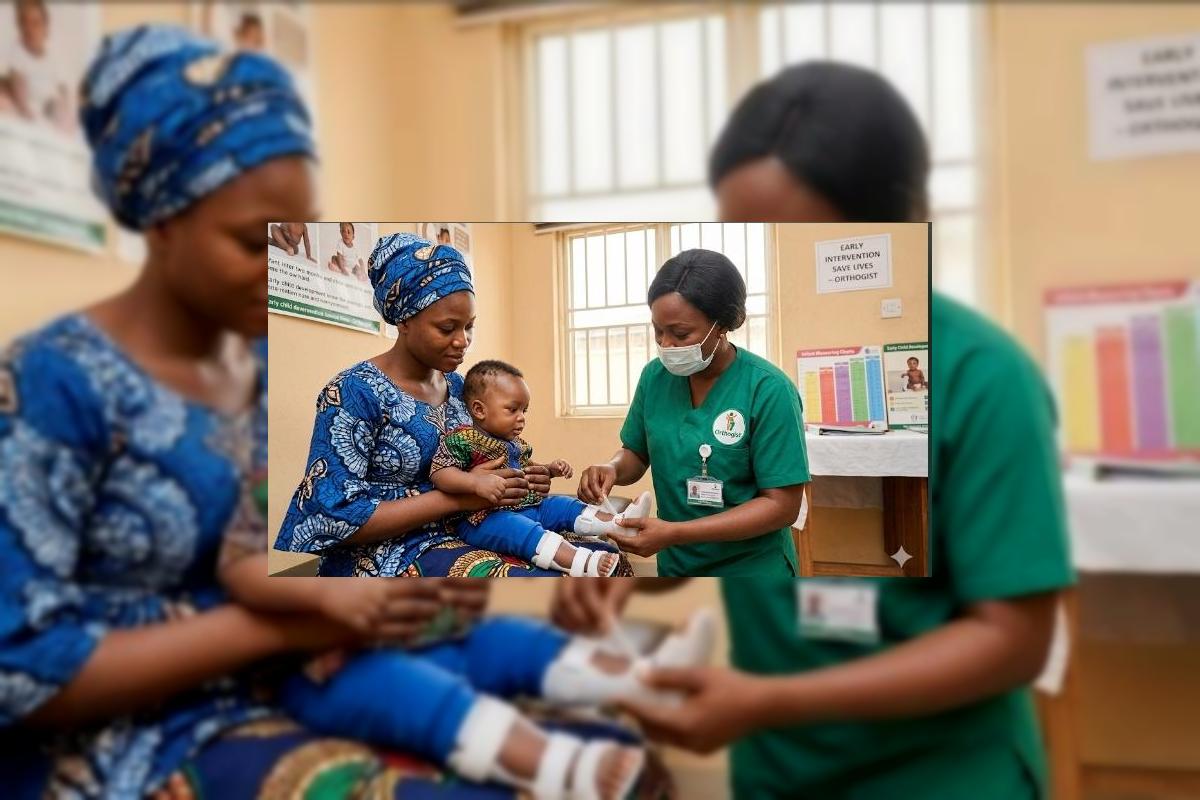
To amputees and caregivers: Reject dangerous, cheap substitutes; always verify that your clinician is fully certified and your clinic is MRTB-accredited before getting fitted. To our medical teams: Ensure post-amputation referrals go directly to accredited Prosthetic and Orthotic departments to protect the residual limb early. To our health authorities and policymakers: Crack down on illegal, unlicensed workshops while eliminating import duties on advanced prosthetic components to make high-quality, safe mobility affordable for all Nigerians. Orthogist will continue to champion these vital clinical realities until modern, accredited prosthetic care is available in every community. Complete independent mobility is a lifetime birthright, and your steps must be secure.
Comments (0)
No comments yet. Be the first!
Please login to leave a comment
Login to Comment