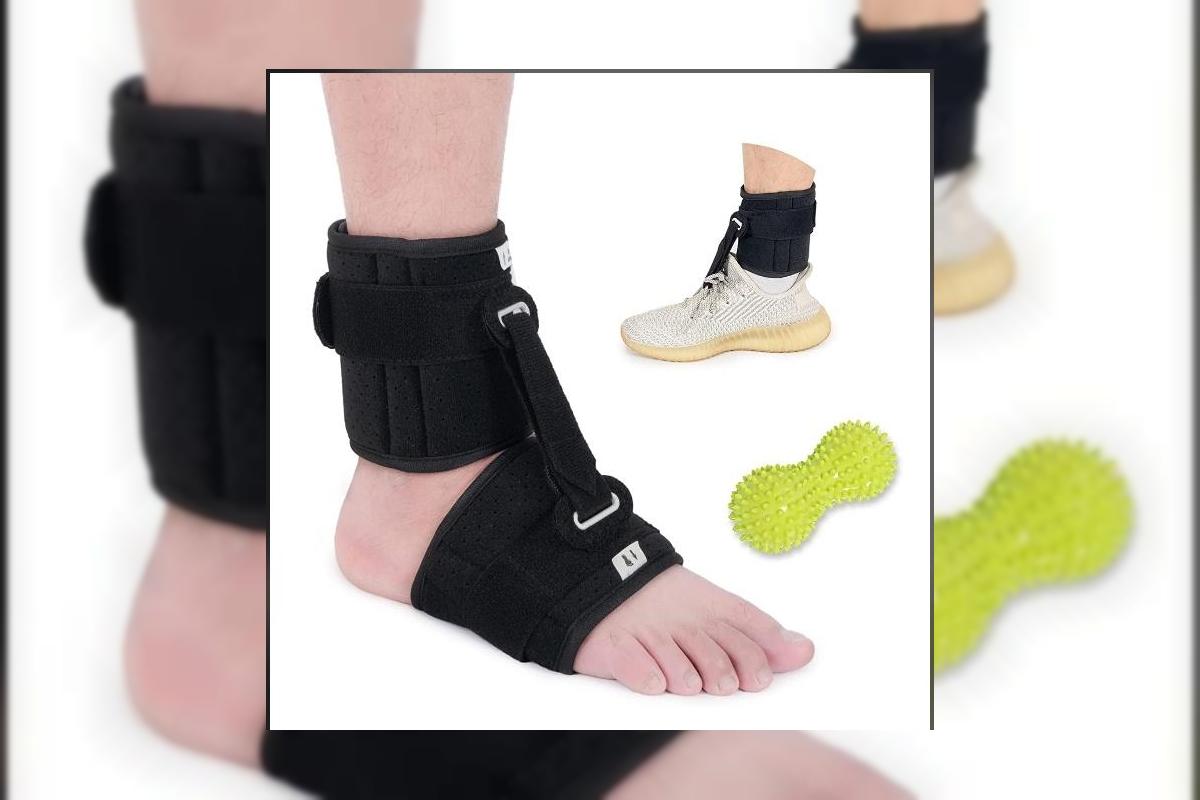

The silence surrounding adult foot drop and neurological gait degradation in Nigeria is not merely a social oversight; it is a neurological and developmental tragedy. For an individual attempting to walk after a stroke or nerve injury, a dragging foot is a relentless, exhausting barrier to daily survival.
"Treating foot drop as a passive, permanent limitation that can only be managed with a walking stick or a wheelchair is a profound failure of modern rehabilitation. True advocacy demands that we recognize foot drop as a dynamic biomechanical crisis that can be directly corrected by combining specialized physical therapy with custom-molded Ankle-Foot Orthoses (AFOs).
In the landscape of **adult neuro-rehabilitation in Nigeria**, we find ourselves at a critical crossroads between clinical stagnation and modern neurobiology. **Adults living with foot drop**—whether caused by a stroke, spinal cord injury, or peroneal nerve damage—are frequently forced into isolation by an unequipped healthcare system that treats walking difficulties as an inevitable, unfixable fate. Yet, while families wait for a spontaneous recovery that may never come, the vital neurological and mechanical windows to preserve a natural walking pattern slam shut. Early orthotic screening is not a secondary luxury; it is a biological mandate. When we fail to introduce targeted **AFOs and gait training physical therapy** the moment a nerve or muscle lag is identified, we deny the adult brain the sensory feedback required to map proper balance, clearance, and symmetry naturally.
The Three Barrier Cards: Why Nigeria’s Adults are Left Dragging
To change the national approach to stroke and neurological care, we must dismantle the three structural pillars of exclusion that keep adult foot drop rehabilitation Nigeria options hidden. These distinct clinical and financial challenges dictate whether an adult re-enters the workforce or spends a lifetime in total dependency.
| Barrier | The Impact on the Adult | The Necessary Shift |
|---|---|---|
| The "Wait and See" Strategy | The Achilles tendon shortens rapidly, locking the ankle into a permanent downward point. | Evolving clinical protocols to screen for orthotics within weeks of a neurological injury. |
| Over-Reliance on Basic Canes | A cane masks the foot drop while the uncorrected gait causes severe, chronic hip and back pain. | Prioritizing custom mechanical bracing to restore the foot before adding walking aids. |
| Scarcity of Custom Labs | Patients receive ill-fitting, heavy, generic braces that cause painful skin blisters. | Direct investment in modern central fabrication laboratories for lightweight plastics. |
"An adult brain trying to recover from a stroke relies entirely on correct sensory information from the feet. If the toes drag with every step, the nervous system permanently registers a broken, exhausting movement blueprint that is incredibly difficult to undo."
Clinical Profile: Breaking Down the Biomechanics of Foot Drop
Foot drop occurs when neurological damage paralyzes or severely weakens the anterior tibialis muscle, leaving it unable to lift the foot at the ankle joint. In a healthy walking cycle, the foot swings forward and lands safely on the heel. For an individual with foot drop, the toes point downward during this swing phase, catching on the ground. To avoid tripping, the individual must awkwardly hike their hip upward or swing their entire leg outward in a wide circle. This highly inefficient compensation pattern expends up to three times more energy than a natural walk, leading to rapid, chronic physical exhaustion and a massive risk of dangerous falls. This mechanical breakdown highlights why a custom Ankle-Foot Orthosis (AFO) is an absolute necessity. By holding the foot at a safe, stable 90-degree angle, the brace replaces the missing muscle power, instantly restoring safety and fluid movement to every step.
What Changes Everything: The Action Strip
Providing early, custom orthotic stabilization alongside structured gait physical therapy yields five concrete physiological and socioeconomic breakthroughs. This is the structural blueprint required to restore functional independence:
1 Instant Clearance and Fall Prevention
By keeping the ankle positioned at a perfect right angle during the swing phase, the AFO ensures the toes clear the ground effortlessly, eliminating the primary cause of trips and falls.
2 True Heel-Strike Restoration
The brace mechanically guides the foot to land safely on the heel rather than flat-footed or on the toes. This proper positioning ensures shock is absorbed correctly across the leg joints.
3 Protection Against Secondary Joint Wear
Correcting the ankle angle stops the harmful need to hike the hip or swing the leg outwards. This alignment shields the knee, hip, and lower spine from severe, premature arthritis and chronic pain.
4 Prevention of Permanent Tendon Shortening
Holding the foot in a functional position prevents the calf muscles and Achilles tendon from tightening into a permanent deformity, reducing the future need for invasive orthopedic surgeries.
5 Workforce Re-Entry and Economic Agency
Regaining a fast, safe, and independent walking pattern allows stroke and trauma survivors to return to their jobs and manage businesses, moving from forced dependency to financial self-sufficiency.
The Biological Imperative vs. The Cultural Stagnation
True medical progress requires replacing administrative passivity with a deep clinical commitment to human movement. We must intentionally move away from outdated healthcare models that leave neurological survivors stranded with basic walking sticks, transitioning into a modern paradigm where advanced biomechanical bracing is prioritized as an essential step in complete stroke recovery.
| The Outdated Approach (Passive) | The Modern Standard (Active) |
|---|---|
| Accepting a dragging foot as an unfixable, permanent symptom of nerve damage. | Deploying a custom AFO immediately to restore a safe, fluent walking pattern. |
| Relying on generic wooden canes that cause severe hip and lower back misalignment. | Using precision biomechanical braces to fix the foot drop directly at the ankle source. |
| Letting a patient become sedentary out of a profound fear of tripping and falling. | Rebuilding confidence and endurance through active, protected community walking. |
| Providing heavy, thick metal braces that wear out and exhaust the user's muscles. | Fabricating ultra-lightweight, high-performance thermoplastic custom orthoses. |
The time for systemic hesitation has ended. Every day a stroke or nerve survivor spends dragging their foot is a day their body compensates in ways that lead to irreversible structural damage and permanent limitations. We can no longer tolerate losing the independence of our workforce to the waiting rooms of public ignorance and delayed medical referrals. **Disability awareness in Nigeria** must expand its focus to include the vital needs of adult neurological rehabilitation. We are not just lifting a dragging foot; we are restoring the foundational mechanics of movement and guarding the right of every citizen to walk with safety, independence, and absolute dignity.
A Call to Action
To stroke survivors and caregivers: Do not accept a dragging foot as your final reality; demand a comprehensive biomechanical assessment from a certified professional. To our medical community: Intercept gait changes early; do not wait for joint contractures to set in before referring to a prosthetic and orthotic specialist. To healthcare policymakers: Subsidizing custom orthotic devices and adult neuro-rehabilitation is a vital economic investment that cuts long-term healthcare costs and restores productive citizens to our economy. Orthogist will continue to broadcast these essential clinical insights until modern gait restoration is available in every state. Independent movement is a lifetime birthright, and your stride must be protected.
Comments (0)
No comments yet. Be the first!
Please login to leave a comment
Login to Comment