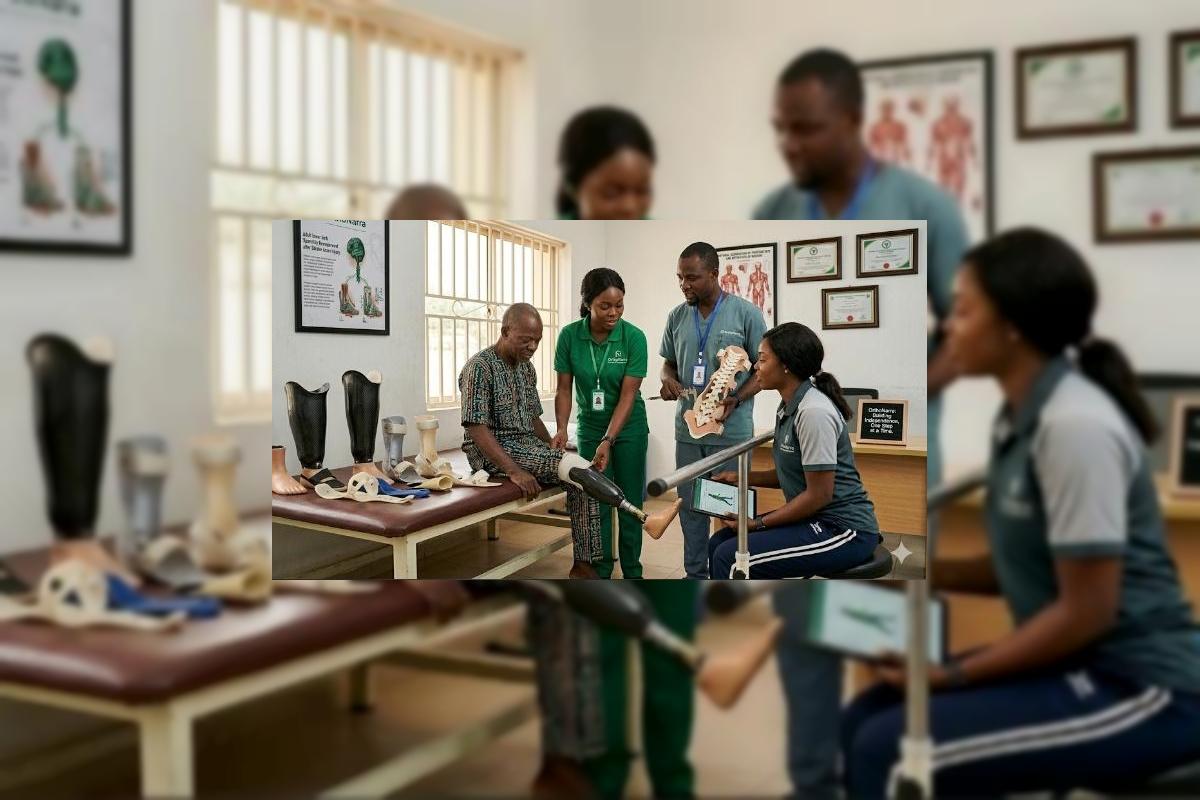

The silence surrounding interdisciplinary rehabilitation care in Nigeria is not merely an administrative oversight; it is a profound clinical and developmental tragedy. For a patient trying to take their first steps after an amputation or neurological injury, a fractured, uncoordinated medical team is a direct path to a failed recovery.
"Treating physical rehabilitation as a series of isolated, disconnected appointments—where therapists and brace makers never speak—is a severe systemic failure. True advocacy demands a tightly woven, collaborative alliance between the Physiotherapist, Prosthetist, and Orthotist, ensuring that clinical therapy and mechanical engineering work in perfect harmony to unlock a patient's mobility.
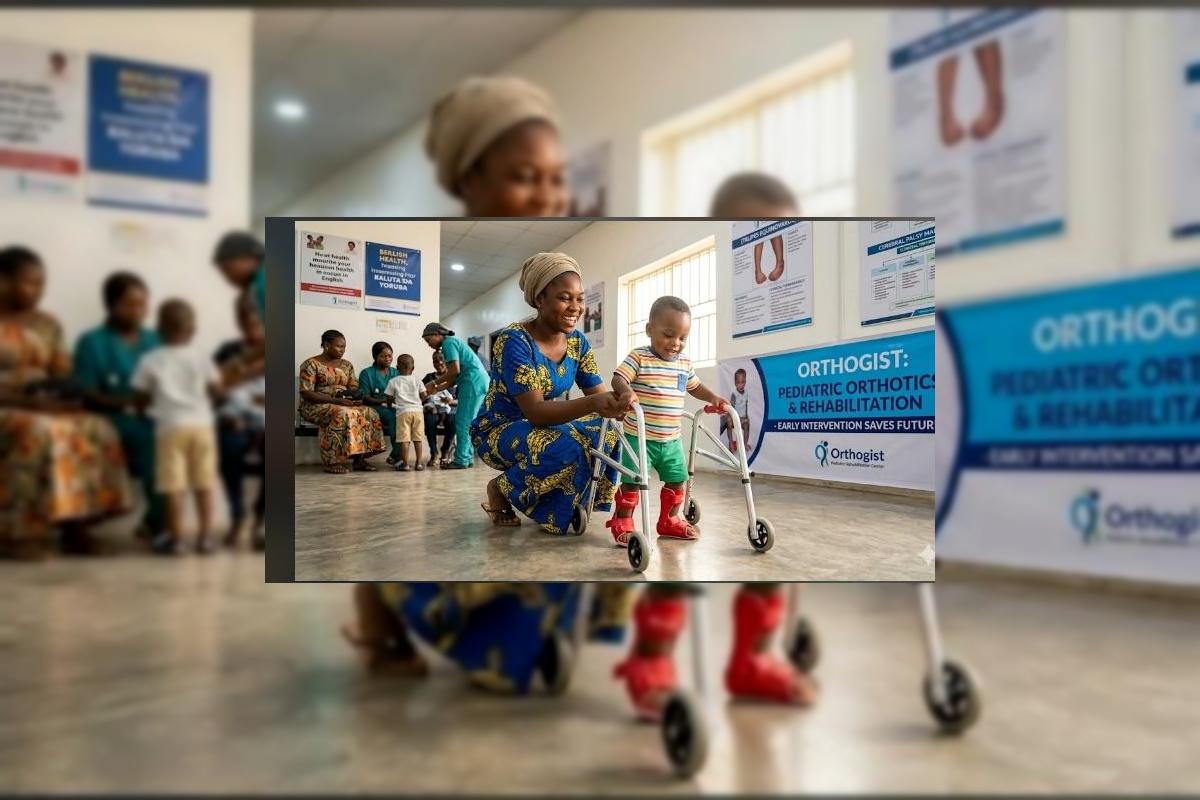
In the landscape of physical rehabilitation in Nigeria, we find ourselves at a critical crossroads between professional isolation and modern, team-based medicine. Patients recovering from strokes, spinal cord injuries, or limb amputations are routinely forced to navigate a fragmented healthcare system. They move from a physiotherapy gym to an isolated orthotics workshop with zero communication passing between their clinicians. Yet, while public hospitals operate in professional silos, the patient's recovery window wastes away. True mobility restoration is not a solo performance; it is an interdependent science. When we fail to unite Physiotherapists, Prosthetists, and Orthotists (P&O professionals)into a single, cohesive team, we allow conflicting treatment plans to exhaust the patient, compromise brace alignment, and stall long-term functional recovery.
The Three Barrier Cards: Why Nigeria’s Rehabilitation Teams Remain Divided
To revolutionize patient outcomes across the country, we must dismantle the three structural pillars of exclusion that keep collaborative rehabilitation Nigeria data buried. These communication, institutional, and cultural hurdles dictate whether a patient glides smoothly back into society or falls through the cracks of a disconnected care system.
| Barrier | The Impact on the Individual | The Necessary Shift |
|---|---|---|
| Professional Silos | Therapists train muscles without knowing brace limitations; orthotists build devices without tracking current muscle strength. | Establishing mandatory joint clinics where therapists and P&O specialists evaluate the patient together. |
| Institutional Separation | Physiotherapy departments and prosthetic workshops are physically isolated, preventing face-to-face clinical alignment. | Designing integrated, modern physical medicine hubs that house therapy gyms and fabrication labs in one space. |
| The "Single-Doctor" Myth | Families assume a single medical prescription fixes everything, ignoring the specialized team required for gait training. | Educating the public to view mobility recovery as a multi-disciplinary journey led by a team of allied health experts. |
"A custom brace or prosthetic limb is only as good as the therapy that guides it. If the engineer who designs the device and the therapist who trains the muscles do not share a single clinical vision, the patient is left stranded in the middle."
Clinical Profile: The Biomechanical Synergy of Joint Rehabilitation
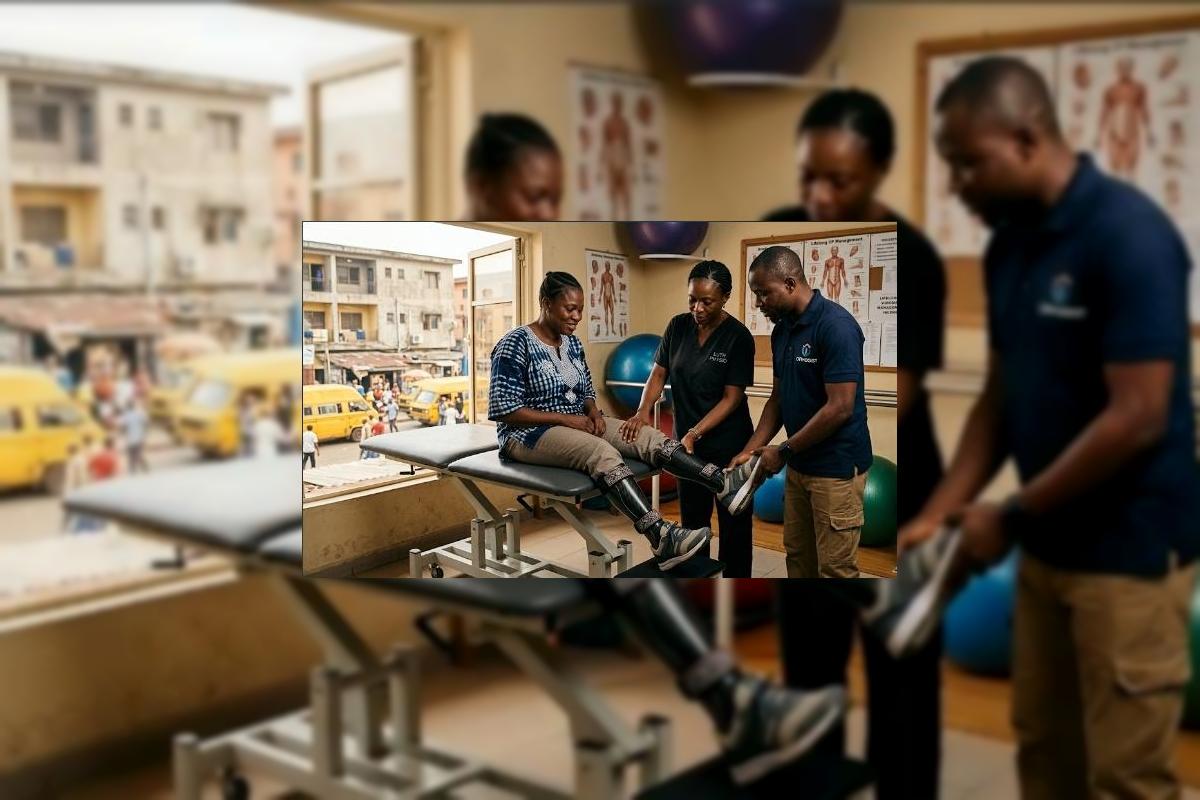
Human movement is a complex interaction of muscular strength, nervous system control, and structural skeletal leverage. When an individual suffers a mobility loss—such as foot drop from a stroke or a transtibial amputation—restoring an efficient walking pattern requires a fine balance of biology and engineering. The Prosthetist-Orthotist acts as the structural engineer, using materials like carbon fiber and advanced thermoplastics to alter skeletal alignment, protect vulnerable skin, and replace lost levers. Simultaneously, the Physiotherapist acts as the biological engine, retraining the nervous system, building up core strength, and correcting balance. For example, when treating a stroke survivor, the orthotist adjusts an Ankle-Foot Orthosis (AFO) to prevent toe-drag, while the physiotherapist uses that exact mechanical stability to retrain weight-shifting and forward stepping. Without this real-time team feedback, a device can easily feel too heavy, cause skin breakdown, or lead to a dangerous, exhausting limp.
What Changes Everything: The Action Strip
Uniting clinical exercise with custom-engineered assistive devices creates five decisive biological and societal milestones. This is the structural framework required to replace fragmented care with seamless, independent movement:
1 Seamless Biomechanical Alignment
Direct collaboration allows real-time modifications to a prosthesis or brace based on a patient's changing movement patterns, ensuring maximum comfort and minimum walking effort.
2 Accelerated Timelines for Recovery
Coordinating strengthening exercises with precise brace fittings prevents muscle wasting and shortens the overall time it takes for a patient to transition from a hospital bed back to independent walking.
3 Eradication of Secondary Overuse Injuries
When devices match a patient's physical capabilities perfectly, the body avoids awkward, high-energy compensations, protecting the lower back and sound joints from premature arthritis.
4 Maximum Return on Assistive Technology
Guided training ensures patients do not abandon expensive custom prostheses or orthoses, turning advanced medical equipment into lasting, real-world independence.
5 Lifting the Burden on Caregivers
A smooth, successful recovery plan restores a patient's ability to navigate daily life completely unassisted, freeing families from the heavy emotional and financial strain of lifelong caregiving.
The Biological Imperative vs. The Cultural Stagnation
True medical transformation requires replacing professional ego with a fierce commitment to team-based excellence. We must intentionally break down the outdated, isolated clinical models of the past, transitioning instead into an integrated standard where allied health experts combine their skills to secure the physical future of every patient.
| The Outdated Approach (Professional Isolation) | The Modern Standard (Interdisciplinary Care) |
|---|---|
| Fitting braces or prostheses in a vacuum without consulting the patient's physical therapist. | Conducting shared clinical evaluations to blend device design with active therapy goals. |
| Forcing the patient to act as a messenger, carrying contradictory advice between different clinics. | Maintaining open communication lines between therapists and engineers to resolve gait issues instantly. |
| Treating muscle weakness and brace fabrication as completely separate, unrelated issues. | Matching mechanical support with targeted muscle exercises to speed up independent walking. |
| Blaming a patient's lack of progress on motivation rather than an poorly aligned device. | Constantly assessing the team's combined strategy to ensure absolute success for the user. |
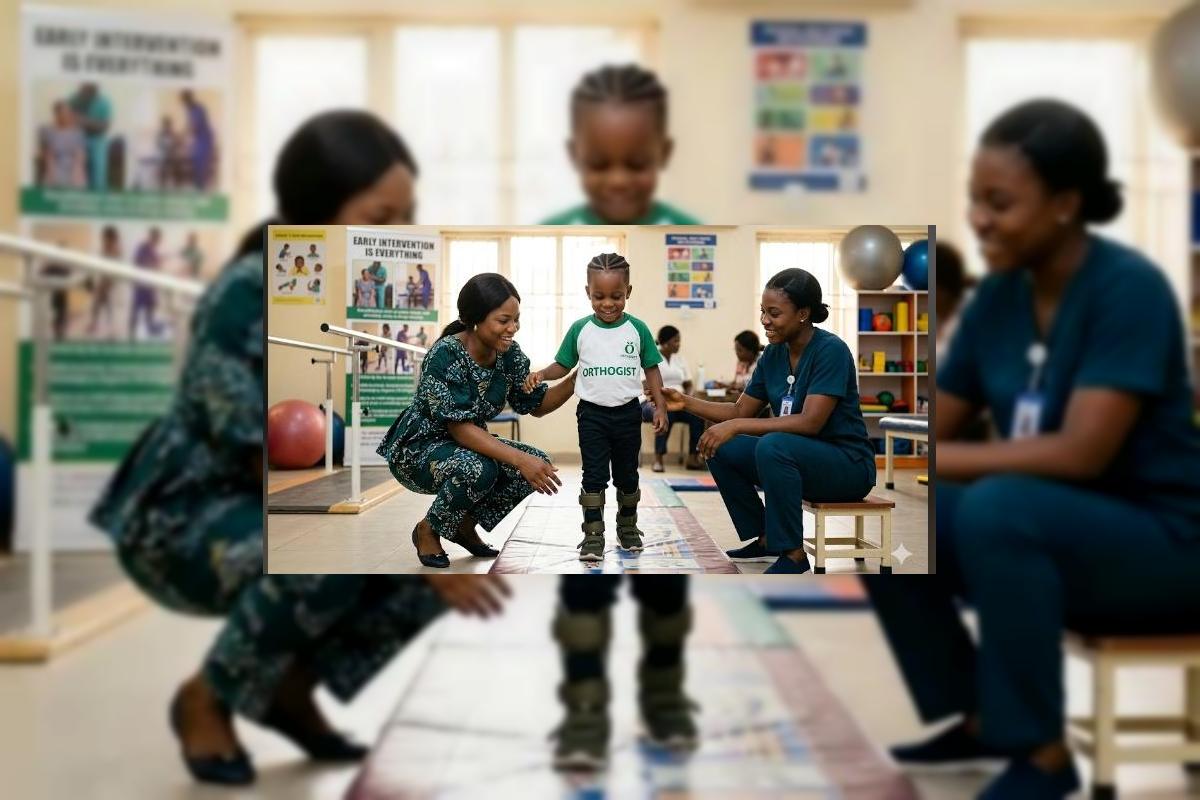
The time for clinical fragmentation has ended. Every day a patient spends navigating uncoordinated care is a day their biological tissues miss out on targeted, structured recovery. We can no longer tolerate losing our citizens' personal autonomy to the gaps of institutional separation and poor professional teamwork. Disability awareness in Nigeria must expand to view cross-professional teamwork as a basic requirement for high-quality healthcare. We are not just prescribing therapy or building limbs; we are orchestrating a synchronized clinical movement that guarantees every individual the right to stand, walk, work, and move through life with unyielding dignity.
A Call to Action
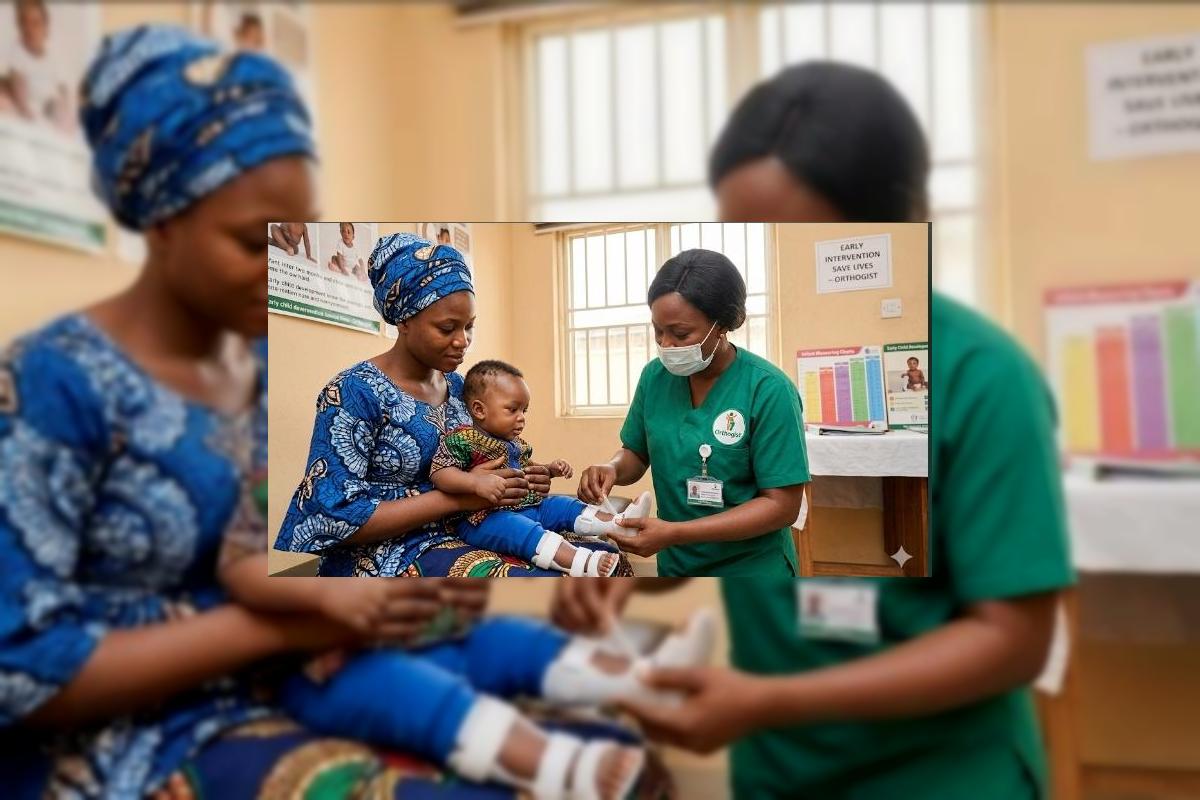
To patients and caregivers: Always ask your therapists and orthotists if they are actively communicating about your treatment plan; your recovery deserves a united team. To our rehabilitation professionals: Break down departmental walls, step out of your comfort zones, and co-evaluate your patients to unlock their true walking potential. To our healthcare administrators: Mandate and build integrated physical rehabilitation spaces that physically bring physiotherapy gyms and P&O workshops together in public and private institutions nationwide. Orthogist will continue to advocate for these vital clinical realities until team-based mobility care is the baseline standard in every community. Complete independent mobility is a lifetime birthright, and your steps must be unified.
Comments (0)
No comments yet. Be the first!
Please login to leave a comment
Login to Comment